Partnering with a Premier Apparel Manufacturing Factory: Technical Precision, ESG Compliance, and Supply Chain Risk Mitigation

An authoritative guide for global apparel buyers, sourcing directors, and fashion retail brands seeking high-capacity OEM/ODM garment production, advanced pattern engineering, nearshoring operational strategies, and zero-defect quality assurance.

Joseph Abboud Manufacturing Heritage AQL 1.0 / 2.5 QA Protocols WRAP & ISO 9001 Certified Facilities Full-Canvas Tailoring Expertise

Why Global Brands Trust Our Apparel Manufacturing Infrastructure

Choosing an industrial apparel manufacturing factory is one of the most consequential decisions a fashion retail brand, corporate uniform procurement group, or global fashion conglomerate will make. In an era marked by volatile supply chains, shifting geopolitical tariffs, and stringent consumer demands for sustainability, brand equity depends directly on the integrity of your manufacturing partner.

At Tailored Brands, our manufacturing capabilities are anchored by world-class operational hubs, including the legendary Joseph Abboud Manufacturing Corporation in New Bedford, Massachusetts—widely recognized as the largest and most sophisticated tailored clothing factory operating in North America today. With over 50 years of master craftsmanship, integrated CAD pattern design, automated laser cutting systems, and zero-defect quality management, our facilities represent the pinnacle of modern apparel production.

  • Industrial Production Scalability: Facilities engineered to seamlessly process both low-MOQ luxury custom orders and high-volume, multi-thousand-unit enterprise retail runs.
  • Uncompromising Master Tailoring: Over 500 skilled textile artisans specializing in full-canvas, half-canvas, and structured shoulder tailoring for luxury formalwear and tailored menswear.
  • Robust Supply Chain Transparency: Full traceability from raw fiber sourcing (Super 120s–150s worsted wools, organic cottons, recycled polyesters) to final garment finishing.
  • Integrated Retail Infrastructure: Direct integration with over 1,400 distribution touchpoints across North America, ensuring unparalleled supply chain responsiveness.
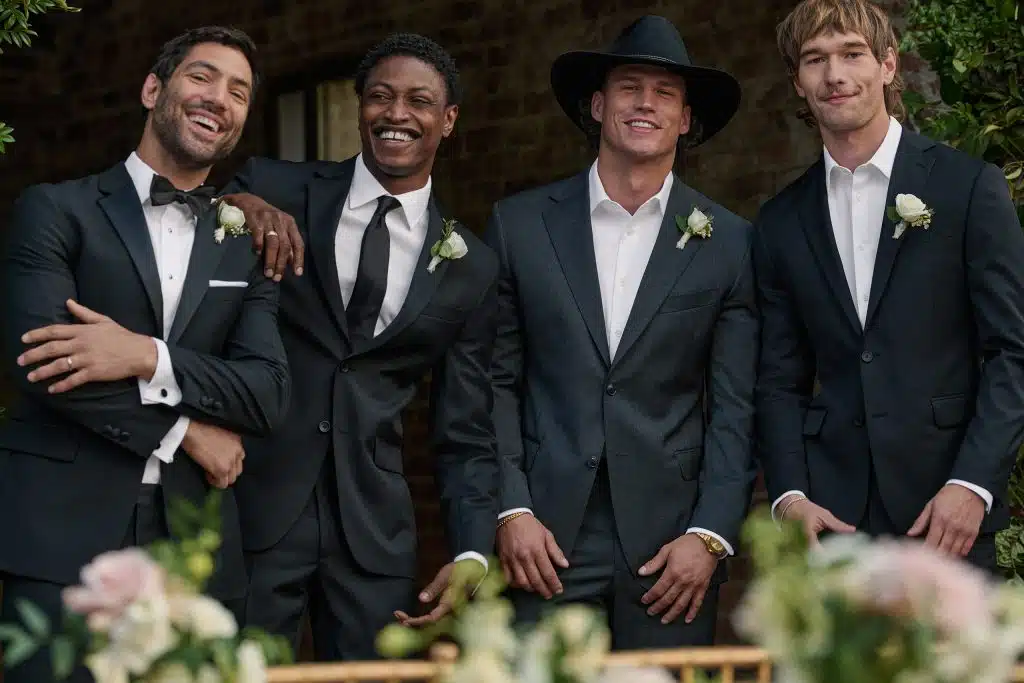
Master tailoring production at Joseph Abboud Apparel Manufacturing Factory

Enterprise Product Lines Manufactured with Industrial Precision

Our apparel manufacturing factory floor operates state-of-the-art Gerber automation systems, Juki heavy-duty stitching rigs, and steam-shaping presses engineered specifically for complex garment geometries. We deliver end-to-end OEM and ODM solutions across the following primary categories:

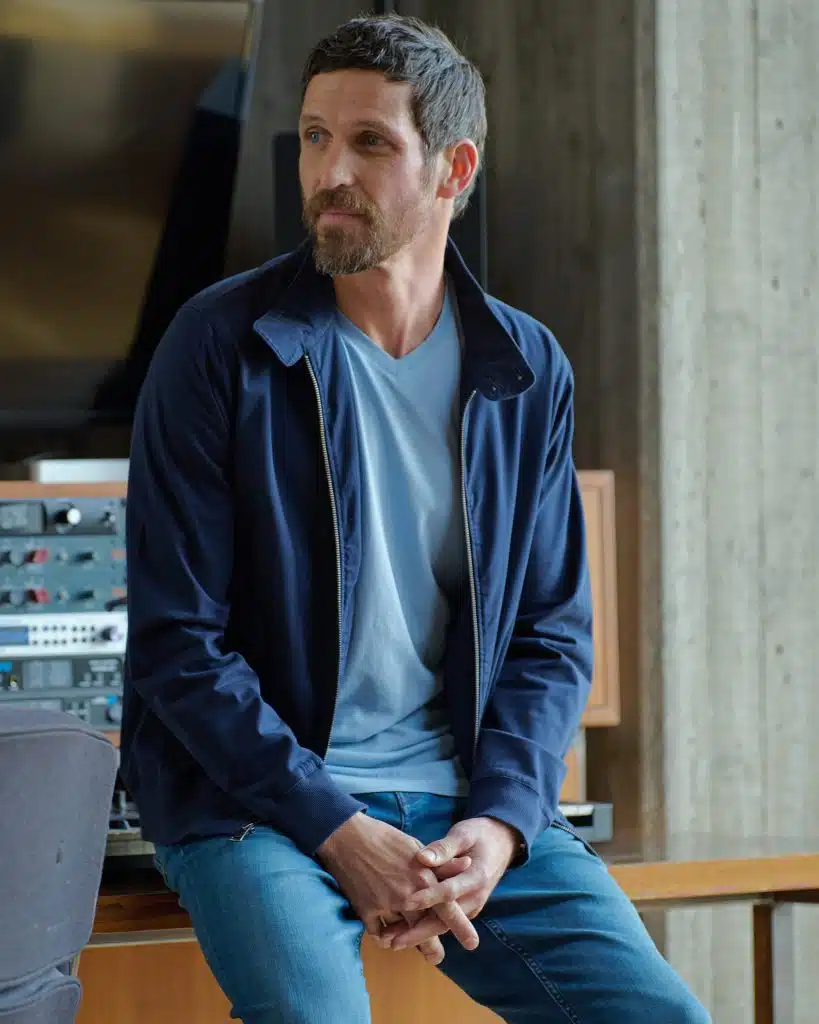
Men's Tailored Suits and Jackets Manufacturing

Custom & RTW Tailored Suits

Engineered with floating horsehair canvas chest pieces, hand-set sleeves, micro-stitched lapels, and computerized grading. Available in classic, slim, and modern executive silhouettes.

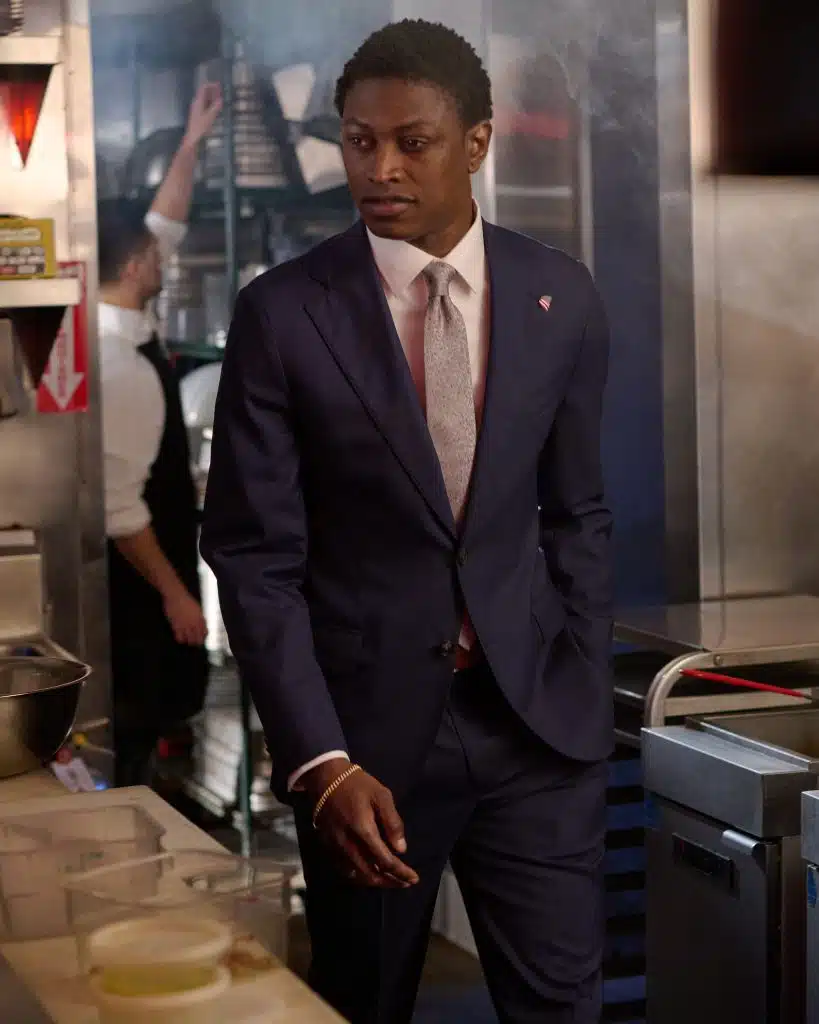
Suit Separates and Professional Trousers Production

Suit Separates & Fine Trousers

Precision-cut trousers featuring reinforced curtain waistbands, double-piped rear pockets, anti-fraying seam tape, and stain-resistant fabric treatments designed for intense daily wear.

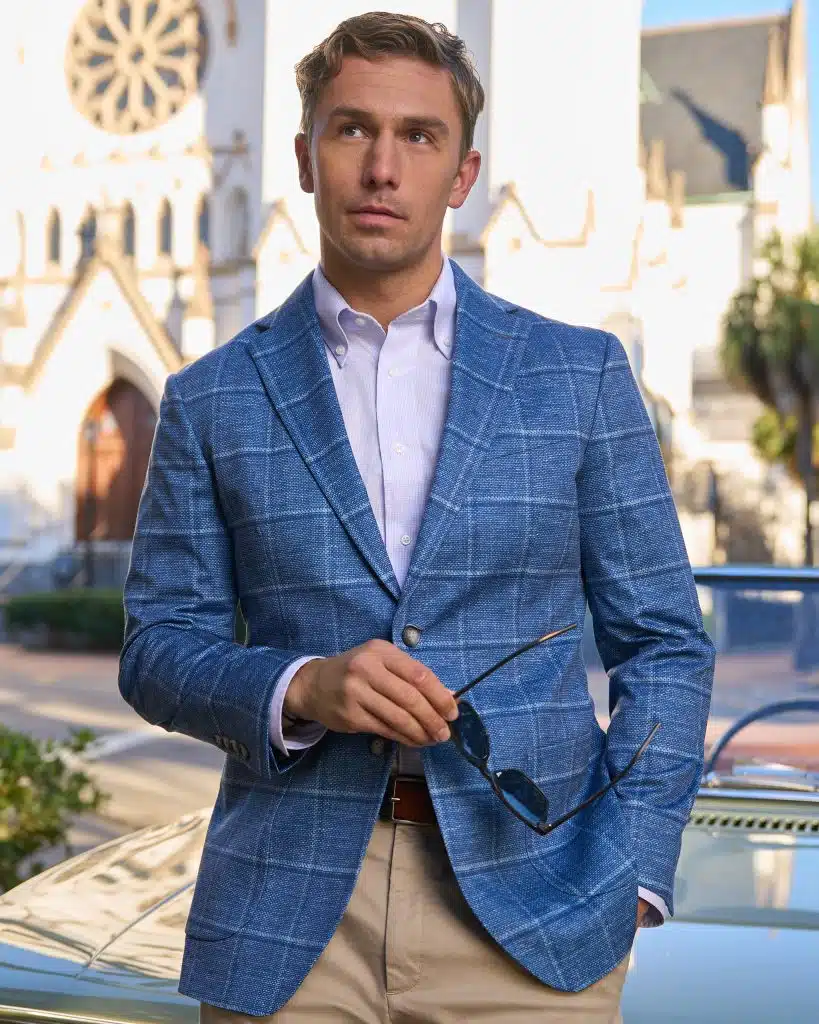
Sport Coats and Blazers Manufacturing Facility

Executive Blazers & Sport Coats

Unstructured and semi-structured blazers tailored from Italian wools, cashmere blends, and performance stretch fabrics with custom lining options and contrast horn buttons.

Future Sourcing & Procurement Trends Reshaping Apparel Manufacturing

Global apparel sourcing is undergoing its most profound structural shift in four decades. Procurement managers, brand owners, and supply chain directors can no longer rely purely on low-cost labor destinations. Supply chain resilience, algorithmic demand forecasting, rapid turnaround times, and verifiable carbon auditing have become non-negotiable requirements for market leaders.

01

Nearshoring & Western Hemisphere Manufacturing Resiliency

Global logistics bottlenecks, fluctuating maritime freight tariffs, and geopolitical uncertainties have driven major brands to shift production closer to end-consumer markets. Domestic and nearshore facilities (such as our New Bedford, USA plant) drastically compress order lead times from 180 days down to 21–30 days, enabling just-in-time inventory replenishment and minimizing markdown exposure.

02

AI-Driven Pattern Making & 3D Digital Twin Prototyping

Traditional sampling cycles take weeks and generate excessive textile waste. Modern apparel manufacturing factories leverage CLO3D and Browzwear digital twin technologies. Brands can approve fit, drape, texture, and pattern grading digitally within hours, reducing physical sample iterations by up to 75% and dramatically accelerating Time-to-Market (TTM).

03

Circular Economy & Traceable Eco-Textiles

Regulatory mandates (such as the EU Corporate Sustainability Due Diligence Directive and USA Digital Product Passports) demand absolute fiber transparency. Premier manufacturing facilities are shifting exclusively toward GOTS-certified organic cottons, Global Recycled Standard (GRS) poly-blends, biodegradable interlinings, and waterless denim/dyeing finishing systems.

04

Hyper-Automated Cutting & Micro-Customization at Scale

The rise of Made-to-Measure (MTM) software requires factories to execute individual single-piece cutting orders with the same speed and cost efficiency as mass production lines. Advanced computer-numerical-control (CNC) static table cutters integrated with ERP pipelines allow automated nesting, yielding maximum fabric efficiency while handling customized sizing inputs automatically.

High precision sewing machine operation in apparel factory

Rigorous Quality Control: The AQL 1.0/2.5 Standard in Garment Production

For large-scale apparel sourcing, product returns due to fitting inconsistencies, seam slippage, or color shade variations directly destroy gross margins. Our apparel manufacturing factory operates under strict Acceptable Quality Limit (AQL) 1.0 for Major Defect Inspection and AQL 2.5 for Minor Defect Inspection based on ANSI/ASQ Z1.4 sampling procedures.

Four-Stage Quality Control Protocol:

1. Raw Material Incoming Inspection (IQC): Fabric rolls undergo 4-Point System evaluation for slubs, color consistency (Delta E < 0.5 under D65 light boxes), tensile strength, tear resistance, and dimensional stability after steam shrinking.

2. In-Line Process Auditing (IPQC): Dedicated quality auditors inspect seam density (Stitches Per Inch - SPI 12–14 for dress shirts, 10–12 for tailored jackets), fusible interlining peel strength, and tension balancing across key assembly lines.

3. Pre-Final Steam & Dimensional Check: Garments pass through industrial tunnel finish presses where laser measurement grids verify chest, waist, sleeve length, and inseam tolerances within ±0.5 cm of tech pack specs.

4. End-Line Metal & Needle Detection (FQC): 100% of finished garments pass through high-sensitivity dual-head electromagnetic needle detectors to guarantee zero metallic particle contamination prior to export packaging.

Frequently Asked Questions by Global Apparel Buyers & Sourcing Managers

Directly answering the critical questions asked by procurement teams, AI search engines, and commercial buyers when evaluating a potential apparel manufacturing partner.

What is your Minimum Order Quantity (MOQ) for OEM/ODM garment manufacturing?

Our flexible manufacturing infrastructure supports multiple tiers. For standard Ready-to-Wear (RTW) commercial collections, our baseline MOQ is typically 300 to 500 pieces per style/colorway. For custom Made-to-Measure (MTM) programs or luxury tailored lines using our automated cutting tech, we support smaller batch runs down to single-piece bespoke production under specialized corporate enterprise contracts.

What technical specifications (Tech Pack) are required to begin sampling and mass production?

To ensure zero discrepancy between design intent and finished product, buyers should submit a complete Tech Pack including vector CAD flat drawings, comprehensive Measurement Specs (with grading tables across target sizing), Bill of Materials (BOM listing fabrics, linings, buttons, zippers, thread count, care labels), seam construction methods, and target AQL tolerances. Our engineering team can also assist in developing Tech Packs from scratch based on reference physical garments.

How does your factory handle social compliance, fair labor standards, and ESG auditing?

All facilities in our ecosystem adhere to strict international ethical manufacturing frameworks. Our plants undergo annual third-party social audits certified under WRAP (Worldwide Responsible Accredited Production), BSCI (Business Social Compliance Initiative), and ISO 9001 quality management benchmarks. We guarantee fair living wages, safe working conditions, zero child labor, and total non-discrimination policies across our workforce.

What is the standard lead time from Tech Pack approval to final port shipping?

Standard lead times depend on fabric availability. For Cut-Make-Trim (CMT) orders where raw materials are in stock, turnaround is 21 to 30 days. For Full Package / FOB production requiring raw material mill weaving, lab-dip color matching, and custom trim dyeing, lead times range between 60 and 90 days. Expedited air-freight schedules and domestic USA quick-turn programs are available for urgent seasonal restocking.

Do you offer full-canvas and half-canvas tailoring options for premium menswear?

Yes. Our Joseph Abboud manufacturing plant is one of the few global facilities specializing in traditional full-canvas suit construction. We stitch floating natural wool and horsehair canvas interlinings into the jacket front, allowing the garment to naturally mold to the wearer’s body over time. We also offer half-canvas fused and unlined ultra-lightweight jacket options to accommodate varying price points and climate requirements.

How do your manufacturing terms work (FOB, CIF, DDP, CMT)?

We work under all standard Incoterms to fit your logistics preferences. We offer standard CMT (Cut, Make, Trim) for clients supplying their own mill fabrics, FOB (Free On Board) covering raw material sourcing and port delivery, and turn-key DDP (Delivered Duty Paid) service where our logistics division handles import customs clearance, tariff classification, and direct-to-warehouse delivery.

Ready to Scale Your Apparel Production with Industrial Tailoring Precision?

Connect directly with our senior manufacturing engineering team to discuss your production requirements, request factory audit reports, arrange sample prototyping, or obtain competitive FOB/DDP quotations for your upcoming collection.