
Blog
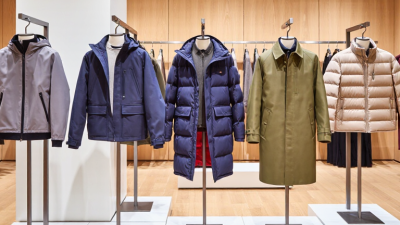
How to Choose the Best Men's Outerwear for Your Store?
Choosing the right Men's Outerwear can shape how customers experience your store through an entire season. A dependable range balances warmth, weather protection, comfort, style, and a price customers understand. It also needs to fit your store’s location and the needs of the people who shop there. One rack cannot serve everyone.
Start with the conditions customers actually face. A lightweight water-resistant jacket may suit a rainy commute, while a lined parka can be more useful through a cold winter. Check fabric weight, insulation, zipper quality, pocket placement, and seam finishing. Details matter. Ask suppliers for clear product specifications, care instructions, and sizing information, then compare those details across styles rather than relying on appearance alone.
Stock planning deserves equal attention. Review past sales, customer questions, returns, and local weather patterns before deciding how many sizes and colors to order. A broad size range can help more shoppers find a comfortable fit, but too much depth in an untested style can leave expensive stock behind. That is an imperfect judgment, and it should be reviewed as real sales data comes in. Consider the balance between core colors, seasonal designs, and different price points. Customers may want a coat that looks sharp, yet warmth and everyday comfort often decide whether they wear it again. This guide explains what to assess, how to compare options, and where a careful buying decision can make a practical difference.
Read more »
 By:Olivia
- November 17, 2026

10 Tips for Off Price Apparel Retail Buyers?
Off-Price Apparel Retail buying is a fast-moving balance between attractive costs and dependable merchandise. A low unit price can look compelling, but freight, defects, and slow sales may erase the expected margin. The strongest decisions begin with clear criteria, not a bargain alone. Small details matter.
This guide explores ten practical considerations for buyers, from defining target customers and checking garment quality to reviewing size runs, delivery timing, and supplier terms. It also considers how to estimate landed costs, compare offers, and choose quantities that fit available cash and selling space. A sample garment, for example, can reveal stitching or fabric issues that a photograph hides. Still, one inspection cannot answer every question. That is worth remembering.
Reliable buying depends on repeatable checks and honest records. Buyers can document product condition, agreed quantities, delivery dates, and any quality concerns before committing to an order. They should also consider how each item fits the current assortment, rather than treating every discounted lot as an opportunity. Market demand shifts. Even experienced teams sometimes misjudge a trend or accept a size mix that proves difficult to sell. Reviewing those outcomes can improve future decisions. The tips ahead offer a practical framework, not a guaranteed formula, for finding value while protecting product standards and customer trust.
Read more »
 By:Emma
- November 12, 2026
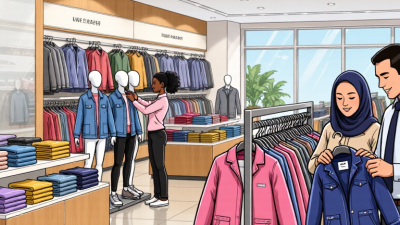
How to Find the Best Family Fashion Superstore Supplier?
Choosing a supplier for a Family Fashion Superstore is not simply a search for low prices. It is a decision about dependable quality, size coverage, delivery timing, and the ability to replenish popular items. A delayed shipment can leave a rail of children’s coats incomplete just as colder weather arrives. Small details matter.
The business case is shifting. The McKinsey and Business of Fashion State of Fashion 2024 report projected global fashion sales growth of 2% to 4% in 2024, reflecting a cautious market outlook. In such conditions, buyers need suppliers who can explain lead times, minimum order quantities, fabric specifications, and quality checks clearly. A polished catalogue is useful. Verifiable performance is better. Still, no supplier can promise that every style will sell.
Operational costs deserve equal attention. The National Retail Federation and Appriss Retail estimated that U.S. retailers would receive $743 billion in returns in 2023, equal to 14.5% of annual sales. That figure covers retail broadly, not family fashion alone, but it highlights why accurate product descriptions and consistent sizing matter. Before signing, request samples, inspect stitching and labels, and compare delivered goods with the approved sample. Ask for references and written policies on defects, substitutions, and late orders. Then test a small order, if practical. It may reveal problems a sales presentation cannot. This guide explores how to assess supplier capability, compare total costs, and build a relationship grounded in evidence rather than promises.
Read more »
 By:Sophia
- November 7, 2026
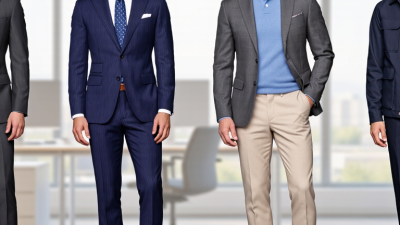
What Are the Top Types of Men's Business Attire?
Choosing the right outfit for work can feel less simple than it looks. Men's Business Attire ranges from traditional suits to relaxed, polished combinations, and each setting sends a different signal. A charcoal jacket, crisp white shirt, and clean leather shoes may suit a formal meeting. A knit polo and tailored chinos can feel more natural in a casual office. Details matter.
The main categories include business formal, business professional, business casual, and smart casual. Traditional business formal often calls for a dark suit, restrained tie, and polished shoes. Business professional allows more color and pattern while keeping a structured silhouette. Business casual may pair a blazer with chinos or dress trousers, while smart casual can include refined knitwear and neat, understated sneakers where appropriate. Fit comes first. Yet dress codes vary, and an outfit that feels right in one workplace may seem too relaxed in another.
Fashion designer Tom Ford has said, “Dressing well is a form of good manners.” The idea offers a useful starting point, not a rigid rulebook. A well-chosen outfit can show care for the occasion, but comfort and personal fit still matter. This guide explores the top types of men's business attire, what distinguishes them, and how small choices—such as a shirt collar, belt, or shoe finish—change the overall impression. No single wardrobe works for everyone. It is worth questioning old assumptions, too: a costly suit is not automatically a well-fitting one.
Read more »
By:Sophia
- November 2, 2026

How to Choose the Right Apparel Manufacturing Factory?
Choosing the right Apparel Manufacturing Factory is a commercial decision, not merely a search for the lowest unit price. The factory must fit your product, volume, timeline, quality level, and values. A factory producing denim jackets may struggle with delicate silk blouses. That mismatch becomes expensive through rework, delayed shipments, and unsold inventory.
Industry data makes the decision more urgent. Textile Exchange’s Materials Market Report 2024 estimated global fiber production at 124 million tonnes in 2023, with output potentially reaching 160 million tonnes by 2030. The McKinsey–BoF State of Fashion 2025 also described weak growth and continuing supply-chain pressure. These figures suggest that efficiency matters, but responsible production matters too. Ask for production records, machine lists, defect rates, audit results, and realistic monthly capacity. Visit the cutting room, sewing lines, finishing area, and storage shelves. A polished showroom proves little.
Kalpona Akter, founder of the Bangladesh Center for Worker Solidarity, has repeatedly stated, “Workers’ rights are human rights.” Her principle belongs inside every factory evaluation. Check wage practices, working hours, grievance channels, fire safety, and subcontracting controls. Also confirm material traceability and wastewater procedures. A certificate helps, but it cannot replace direct questions and follow-up visits. I have seen sourcing decisions focus heavily on price, then regret ignoring communication delays. That mistake is easy to repeat. The strongest partner is not always the largest factory. It is the one that can show evidence, admit limitations, and improve with you.
Read more »
By:Olivia
- October 28, 2026
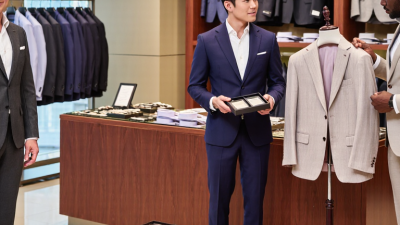
How to Choose American Made Suits for Global Buyers?
Choosing American Made Suits for international buyers involves more than reading a country-of-origin label. It requires careful attention to construction, fabric performance, sizing, and supplier reliability. A suit may be cut in New York, made with American cloth, or assembled domestically from imported components. These distinctions matter when buyers compare quality, pricing, and compliance requirements across markets.
Menswear authority Alan Flusser is often associated with a practical tailoring principle: “Fit is the first test of a suit.” That idea remains useful for global purchasing decisions. A jacket should sit cleanly across the shoulders, close without pulling, and leave enough room for movement. Trousers should break neatly above polished leather shoes, not bunch around the ankle. Small details reveal larger standards.
American Made Suits can offer strong craftsmanship, transparent production, and dependable finishing. Yet “American made” is not automatically a guarantee of superior fit or value. Buyers should request fabric information, factory details, measurement charts, alteration policies, and independent quality records. Samples deserve real testing. Wear one through a long meeting. Check the lining, buttonholes, seam balance, and recovery after sitting.
There is no perfect checklist.
A factory with excellent stitching may offer limited sizing. A premium fabric may perform poorly in humid climates. Even experienced buyers can misjudge these trade-offs. This guide examines those practical tensions, helping distributors, retailers, and corporate purchasers choose American Made Suits with greater confidence, clearer evidence, and fewer costly assumptions.
Read more »
By:Sophia
- October 23, 2026

Top 10 Mens Dress Shirts Suppliers for Global Buyers
Finding dependable Men’s Dress Shirts suppliers requires more than comparing catalog photos or quoted prices. Global buyers must examine fabric quality, stitching consistency, sizing accuracy, production capacity, and export experience. A polished website proves little. Physical samples reveal more.
This guide reviews ten suppliers serving international apparel buyers. Each supplier is considered through practical sourcing factors, including shirt construction, cotton and blended fabrics, customization options, minimum order quantities, lead times, packaging, and communication. Buyers should also confirm quality-control procedures, factory documentation, social responsibility practices, and compliance with destination-market requirements. These checks reduce avoidable problems, such as uneven collars, loose threads, color differences, or late shipments.
Details matter. A reliable supplier should explain its process clearly and provide realistic timelines. Experience also matters when handling private labels, seasonal collections, and repeat orders across different markets. However, no supplier is perfect for every buyer. One company may offer excellent craftsmanship but require higher order volumes. Another may provide flexible customization but have slower sampling. That trade-off deserves careful attention.
The following selection is designed as a practical starting point, not a permanent ranking. Supplier capabilities can change with staffing, fabric availability, equipment, and regional demand. Buyers should request current samples, verify key claims, and negotiate written specifications before placing an order. A careful review may take longer, but it can protect brand reputation and customer satisfaction. Good sourcing is rarely effortless. It is measurable, documented, and improved through honest comparison.
Read more »
By:Sophia
- October 18, 2026
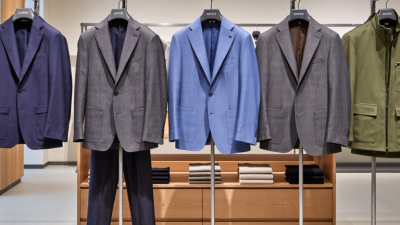
7 Best Men's Blazers for Wholesale Buyers
Choosing the right Men's Blazers for wholesale requires more than comparing photographs and unit prices. Buyers must assess fabric, construction, sizing, delivery reliability, and resale potential together. A blazer can look polished on a studio model yet feel stiff, shiny, or poorly balanced in a retail fitting room.
Market evidence supports a careful approach. McKinsey & Company and The Business of Fashion’s State of Fashion 2025 report describes a cautious fashion market, with consumers demanding stronger value and clearer product differentiation. That pressure affects wholesale margins. According to the Textile Exchange Materials Market Report 2024, polyester represented approximately 57% of global fiber production in 2023. This highlights the importance of checking fiber content, recycled claims, and finishing quality before placing large orders. The data is useful, but not perfect. It does not measure every blazer category or regional buying preference.
This guide evaluates seven blazer options through a practical wholesale lens. Each selection should be judged by fabric hand feel, lining quality, seam control, shoulder structure, size coverage, minimum order quantity, and replenishment speed. Details matter. A clean sleeve pitch, secure buttons, and smooth arm movement can reduce customer complaints. Buyers should also request samples, measurement charts, and recent production photos before confirming volume. Certifications and supplier documentation deserve independent verification. No single style fits every market. A lightweight unstructured blazer may suit warm urban stores, while a half-lined wool blend may perform better in cooler business districts. The recommendations that follow are useful starting points, not guarantees. Real sales data should still decide the final order.
Read more »
By:Olivia
- October 13, 2026
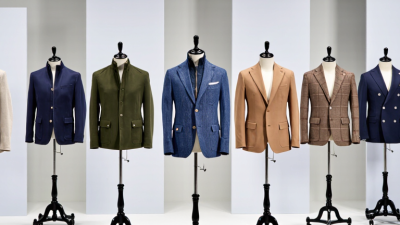
Top 10 Types of Men's Sport Coats for Global Buyers
Choosing the right Men's Sport Coats requires more than comparing colors and prices. Global buyers must assess fabric, construction, fit, seasonality, and supplier reliability. A coat that performs well in London may feel too heavy in Singapore. A soft wool blend can offer comfort, while linen-rich fabric suits warmer markets. These differences matter.
This guide examines ten practical types of men's sport coats for international sourcing and retail planning. Each style reflects a different customer need, from structured tweed jackets for cooler regions to lightweight cotton designs for relaxed business settings. We consider lapel shape, shoulder construction, lining, button quality, pocket details, and size consistency. Small details often reveal manufacturing discipline. Loose stitching does not.
Experience shows that product photographs can hide important weaknesses. Buyers should request fabric samples, measurement charts, close-up images, and pre-production samples before placing large orders. Independent quality checks can also confirm seam strength, color consistency, labeling accuracy, and packaging condition. Reliable suppliers should communicate clearly and provide documented specifications. Still, no checklist is perfect. Fit preferences change across countries, and even experienced buyers can misjudge demand.
The following overview offers a practical comparison for wholesalers, retailers, uniform planners, and fashion distributors. It does not promote one universal winner. Instead, it explains where each coat works best, what risks deserve attention, and how buyers can make more informed decisions. Expect useful guidance, but keep room for local testing. That is where better choices begin.
Read more »
By:Olivia
- October 8, 2026
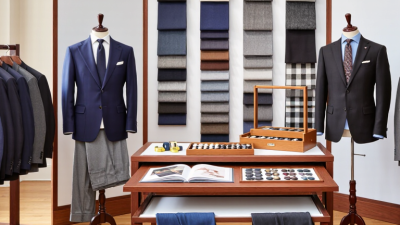
Why Choose Mens Suit Separates for Flexible Sourcing?
In modern menswear sourcing, flexibility often matters as much as appearance. Men's Suit Separates allow buyers to combine jackets and trousers by size, color, fabric, and fit. This approach reflects a practical problem: many customers do not share standard proportions. A 42 jacket may require 36 trousers. That detail changes inventory planning.
Experienced buyers can reduce unsold stock by purchasing coordinated pieces instead of fixed suits. They may test navy wool trousers, charcoal jackets, and seasonal blazers in smaller quantities. Suppliers with strong production records should provide fabric composition, measurement charts, color references, and sample approval procedures. Reliable sourcing also requires clear quality checks. Stitch density, lining attachment, button security, and trouser recovery deserve close attention. Small defects become expensive when repeated across hundreds of units.
Men's Suit Separates are not automatically the perfect solution. They can complicate color matching between production batches. Different fabrics may also create uneven texture or shine. This model needs thoughtful assortment planning. It may work well for retailers serving varied body shapes, business wardrobes, hospitality teams, or made-to-measure customers. However, buyers should compare minimum order quantities, lead times, grading options, and replacement policies before committing. Those checks support responsible decisions and more dependable supplier relationships.
The strongest sourcing strategy remains measurable. Review samples, record approval comments, and inspect production consistently. Flexibility helps, but discipline protects the investment.
Read more »
By:Sophia
- October 3, 2026
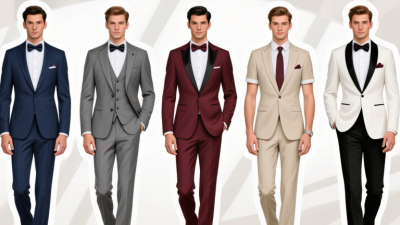
7 Best Wedding Suit Rentals for Every Budget?
Wedding Suit Rentals can help couples dress well without paying full retail prices, but the lowest advertised rate rarely tells the whole story. Delivery, tailoring, accessories, deposits, and late-return fees can change the final cost. A jacket that looks sharp online may also fit differently on your shoulders. Small details matter.
Menswear entrepreneur George Zimmer, founder of Men’s Wearhouse, is known for saying, “You’re going to like the way you look. I guarantee it.” That familiar promise offers a useful test for any rental: does the suit feel right, not merely look affordable? This guide compares seven rental options across budget levels, with attention to transparent pricing, size ranges, alteration policies, delivery timing, and return instructions. Check the current terms before ordering, since availability and fees can change. Try the suit on early, ideally with the shirt and shoes you plan to wear. A rental can be practical, but it is not automatically the cheapest choice once extras are included. And fit can disappoint. Use these picks as a starting point, then weigh comfort, service, and total cost against your wedding-day plans.
Read more »
By:Emma
- September 28, 2026
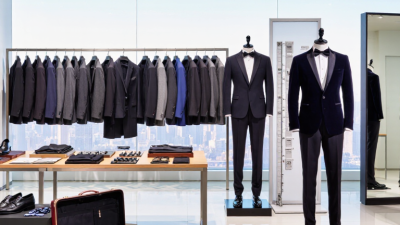
Top Tuxedo Rental Services for Global Buyers?
Choosing formalwear online can feel surprisingly personal. A tuxedo must look polished, but it must also arrive on time and fit comfortably. This guide examines Tuxedo Rental Services for buyers ordering across borders. It focuses on practical evidence, not glossy promises. We consider fabric quality, measurement guidance, alteration options, delivery tracking, and customer support. Small details matter. A loose sleeve can spoil an otherwise memorable evening.
The strongest providers explain their rental process clearly. They show garment photos, size charts, fitting instructions, and complete pricing before checkout. Reliable services also describe deposits, cleaning standards, return windows, and international shipping limits. Their reviews should be recent and specific, especially about late deliveries or difficult exchanges. Experience teaches caution: a beautiful website does not guarantee dependable service. Some buyers may need a local tailor after delivery. That cost deserves attention.
This overview compares options for weddings, galas, graduations, and formal business events. It considers classic black tuxedos, modern slim cuts, varied lapels, shirts, shoes, and accessories. Climate and travel plans also influence fabric and delivery timing. No provider is perfect. Even careful measurements can fail when body proportions are unusual. That limitation should be acknowledged, not hidden. Readers can use these criteria to choose a service with transparent policies, responsive communication, and realistic expectations. The best choice is not always the cheapest. It is the one that reduces avoidable surprises.
Read more »
By:Emma
- September 23, 2026