Choosing a supplier for a Family Fashion Superstore is not simply a search for low prices. It is a decision about dependable quality, size coverage, delivery timing, and the ability to replenish popular items. A delayed shipment can leave a rail of children’s coats incomplete just as colder weather arrives. Small details matter.
The business case is shifting. The McKinsey and Business of Fashion State of Fashion 2024 report projected global fashion sales growth of 2% to 4% in 2024, reflecting a cautious market outlook. In such conditions, buyers need suppliers who can explain lead times, minimum order quantities, fabric specifications, and quality checks clearly. A polished catalogue is useful. Verifiable performance is better. Still, no supplier can promise that every style will sell.
Operational costs deserve equal attention. The National Retail Federation and Appriss Retail estimated that U.S. retailers would receive $743 billion in returns in 2023, equal to 14.5% of annual sales. That figure covers retail broadly, not family fashion alone, but it highlights why accurate product descriptions and consistent sizing matter. Before signing, request samples, inspect stitching and labels, and compare delivered goods with the approved sample. Ask for references and written policies on defects, substitutions, and late orders. Then test a small order, if practical. It may reveal problems a sales presentation cannot. This guide explores how to assess supplier capability, compare total costs, and build a relationship grounded in evidence rather than promises.
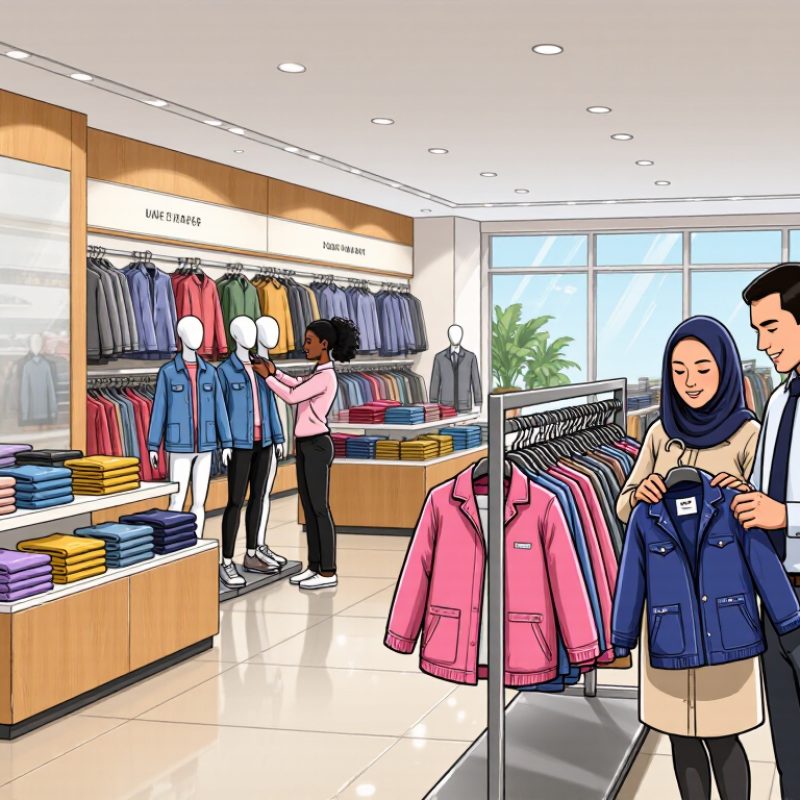
Define Your Family Fashion Superstore’s Sourcing Requirements
Before contacting suppliers, turn your store concept into a one-page sourcing brief. Specify customer age ranges, size range, price bands, and the mix of everyday, school, and occasion wear. Start with the shelf. For each category, estimate units per size and color, target landed cost, minimum order quantity, and acceptable reorder time. A supplier cannot quote meaningfully if “affordable family clothing” is the only direction.
Define quality in observable terms: fabric composition, seam strength, colorfastness, wash performance, and packaging. Ask for size charts and sample garments, then compare measurements after washing. Set a written defect threshold and a process for resolving short shipments. The National Retail Federation’s 2023 report estimated that 14.5% of U.S. retail sales were returned. That figure is not specific to family apparel, but it shows why clear product specifications and return planning matter.
Build sustainability and continuity into the brief, too. The Ellen MacArthur Foundation’s 2017 A New Textiles Economy report found that clothing production had doubled over 15 years, while clothing use had fallen 36%. Request material details, production capacity, and realistic delivery windows before placing orders. There is a trade-off here: lower unit costs may require larger commitments. I would not pretend the first forecast will be perfect. Review sales by size and season, then revise quantities with your supplier.
How to Find the Best Family Fashion Superstore Supplier? - Define Your Family Fashion Superstore’s Sourcing Requirements
| Sourcing Dimension | Requirement to Define | Practical Planning Target | How to Verify |
|---|---|---|---|
| Product categories | Specify the mix of apparel and related products needed for the store. | List core categories such as adult tops, bottoms, outerwear, children’s clothing, sleepwear, and accessories; prioritize the categories that account for most of the planned assortment. | Prepare a category plan with expected styles, colors, size ranges, and seasonal launch dates. |
| Customer and size coverage | Define the intended age groups, fit needs, and size ranges. | Set separate size curves for adult and children’s products. For each style, confirm the supplier’s measurement chart, grading rules, and available size options before sampling. | Review measurement specifications and test fit samples across representative sizes. |
| Order quantities and MOQ | Establish the opening order quantity and acceptable minimum order quantity (MOQ) per style, color, and size. | Request MOQ details at each level—style, color, and total order—and compare them with forecast demand and available inventory budget. | Obtain a written quotation that states MOQs, quantity price breaks, and any assortment restrictions. |
| Target costs and landed cost | Set a target purchase cost and account for expenses beyond the product price. | Compare the quoted unit price with estimated freight, insurance, duties, taxes, inspection, and packaging costs for the chosen shipping terms. | Request an itemized quotation and confirm the agreed Incoterms® rule, named place, and version in the purchase contract. |
| Materials and product specifications | Define fabric composition, weight, construction, trims, labeling, and packaging. | Use a written specification sheet. State fiber content and tolerances, color references, garment measurements, care-label details, and packaging requirements. | Approve a pre-production sample and retain the signed specification and reference sample for comparison. |
| Quality standards | Set measurable inspection criteria for workmanship, appearance, measurements, and defects. | Agree on an inspection method, sampling plan, defect classifications, measurement tolerances, and the process for corrective action before production begins. | Use a documented pre-shipment inspection and review inspection reports against the approved specifications. |
| Product safety and regulatory compliance | Identify the rules that apply in each destination market and to each product type. | For the United States, assess applicable requirements such as the Consumer Product Safety Improvement Act (CPSIA) for covered children’s products. For the EU, assess applicable REACH restrictions and textile fiber-composition labeling rules. | Confirm product scope with a qualified compliance specialist and request relevant test reports, declarations, and traceability records. Requirements vary by product and market. |
| Production capacity and lead time | Confirm whether the supplier can meet launch dates and repeat-order needs. | Request separate estimates for sampling, bulk production, and shipping. Include time for sample approval, testing, holidays, and possible production delays. | Ask for a production schedule with milestone dates and review evidence of capacity for the proposed order volume. |
| Replenishment and seasonal planning | Determine how the supplier handles repeat orders and changing seasonal demand. | Agree on reorder lead times, fabric availability, color continuity, and the process for confirming repeat-order quantities. | Request written replenishment terms and check whether key materials can be reserved or sourced again. |
| Supplier assessment | Evaluate production capability, communication, documentation, and operational reliability. | Review the supplier’s facility information, references, quality procedures, business documentation, and capacity for the specific product categories required. | Conduct a documented assessment or independent audit where appropriate, and verify references before placing a large order. |
| Payment and contract terms | Define payment milestones, cancellation terms, ownership of designs, and remedies for non-conforming goods. | Put specifications, approved samples, delivery dates, payment schedule, inspection rights, and dispute procedures in writing. | Have the purchase agreement reviewed by appropriate legal or trade professionals before signing. |
| Sustainability and traceability | Clarify any material, labor, or environmental claims required for the assortment. | Request evidence for specific claims, such as material certifications or facility records; avoid relying on unsupported statements in marketing materials. | Check certificate scope, validity, issuing organization, and product or facility coverage directly with the relevant certification body. |
Planning note: The targets above are starting points for supplier evaluation, not universal market standards. Confirm commercial terms, product specifications, and legal requirements for the relevant product category and destination market.
FAQS
List customer ages, size ranges, price bands, and clothing categories. Estimate units by size and color, target cost, minimum order, and reorder time. Keep it practical.
Specify fabric composition, seam strength, colorfastness, and wash performance. Request size charts and samples. Measure garments again after washing.
A trial can reveal uneven stitching, inconsistent colors, or slow defect reporting. Check labels and measurements, too. Small checks matter.
Request recent order records, production timelines, and contacts for quality issues. Compare their claims with a trial order. Notice how clearly they explain problems.
Confirm that documents are current, cover the actual production site, and apply to your products. Verify them with the issuing organization when possible.
Ask about available sewing lines, scheduled orders, and peak-season plans. Request dated capacity details. A vague promise is not much to work with.
Include freight, packing, handling, sample costs, deposits, and payment dates. Ask who covers damaged or missing goods. Small charges add up.
Review sales by size and season, then adjust future orders. My first forecast would probably miss. Keep notes and revise assumptions as demand changes.
Conclusion
Finding the right supplier for a Family Fashion Superstore starts with clearly defining your sourcing needs, including the clothing categories, target customers, size range, quality standards, and expected order volumes. With these priorities in place, you can identify potential suppliers and create a shortlist based on their experience, product selection, and ability to meet your requirements.
Before making a decision, review product samples and assess fabric quality, construction, style variety, and size inclusivity. Check each supplier’s reliability, relevant certifications, production capacity, communication, and ability to meet delivery schedules. Finally, compare pricing, minimum order quantities, payment terms, shipping arrangements, and return policies. Looking at the complete value—not just the lowest price—can help you choose a dependable partner and build a consistent, customer-friendly assortment for your store.