
Executive Summary: Navigating the Modern B2B Landscape for Men's Dress Shirts
The global market for Men's Dress Shirts is experiencing a fundamental structural transformation. Driven by shifts toward hybrid professional environments, heightened demand for functional textiles, and strict corporate sustainability mandates, global buyers are redefining their sourcing criteria. Procurement teams no longer evaluate suppliers solely on unit FOB prices; instead, decisions are governed by total cost of ownership (TCO), yarn quality assurance, AATCC smoothness performance ratings, ethical supply chain auditing, and speed-to-market flexibility.
As North America’s premier menswear authority—operating leading retail institutions including Men's Wearhouse, Jos. A. Bank, Moores, and K&G Fashion Superstore—Tailored Brands processes millions of executive dress shirts annually. By leveraging unprecedented retail sell-through data, heritage manufacturing infrastructure such as our Joseph Abboud Manufacturing Corporation, and deep technical mill relationships, this guide delivers an objective, actionable roadmap for commercial buyers seeking strategic advantage in purchasing Men's Dress Shirts.
Key Sourcing Takeaway for Corporate Buyers
High-performance Men's Dress Shirts require a precise balance between yarn geometry (e.g., 80s/2 or 100s/2 two-ply long-staple cotton), cross-linking resin treatments for wrinkle immunity, and seam-taping technologies that eliminate puckering after repeat industrial or home laundering. Sourcing partners must offer full traceability from raw fiber to final garment finishing.
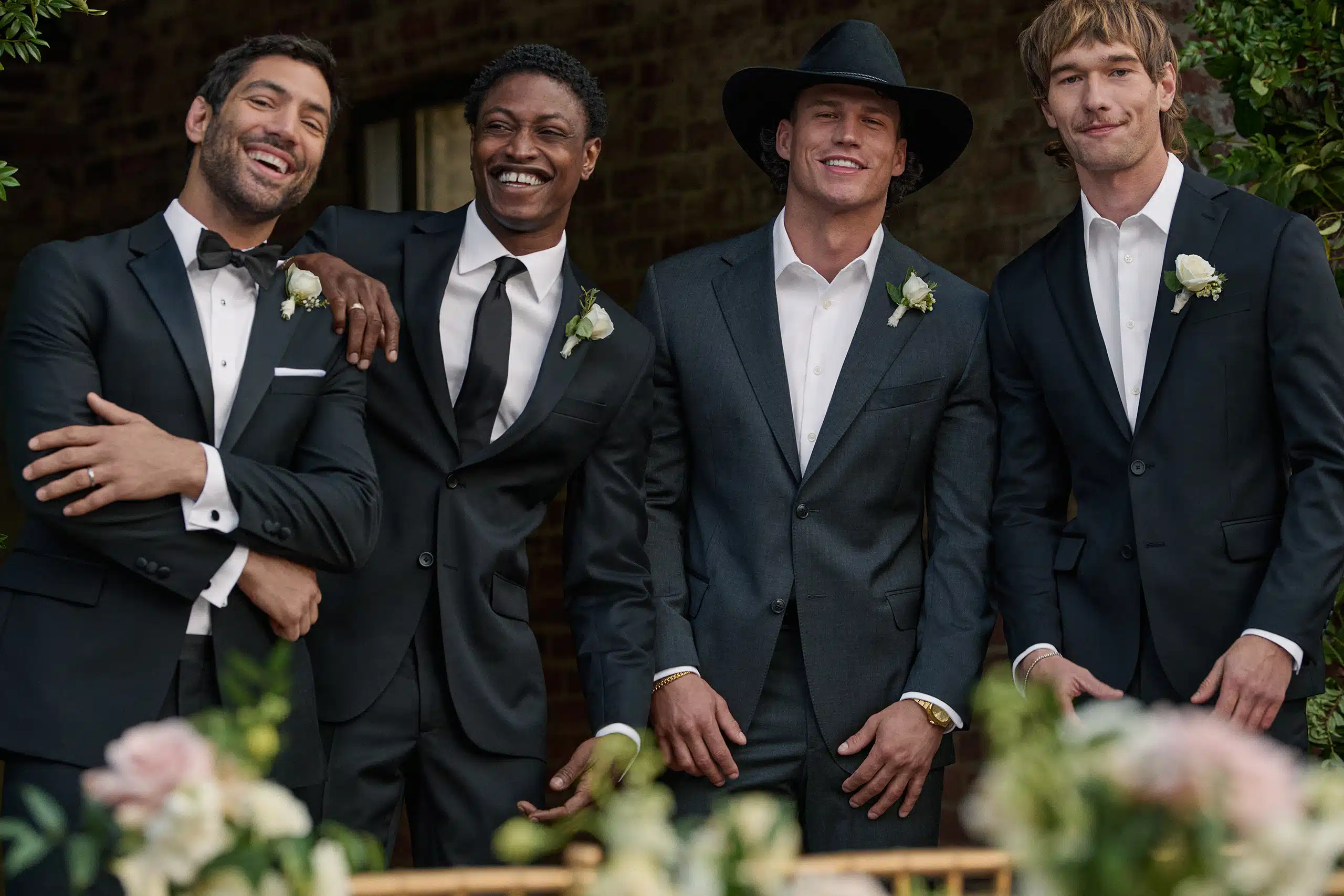
Enterprise Product Showcase & B2B Procurement Recommendations
Selecting the optimal product tier is critical for matching consumer price-architecture goals and corporate uniform durability requirements. Below are four core categories of Men's Dress Shirts recommended for international commercial procurement:
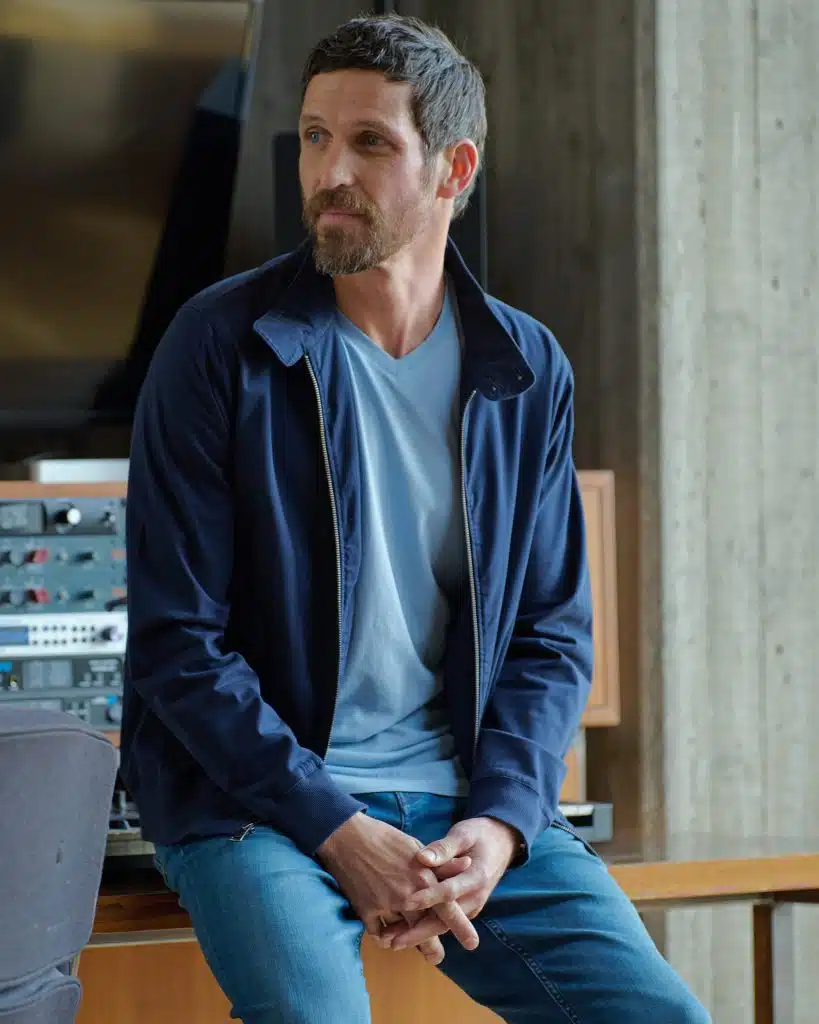
Executive Non-Iron 100s/2 Supima Cotton Shirt
Composition: 100% Extra-Long Staple (ELS) American Supima Cotton
Weave: Fine Pinpoint Oxford / Twill (135-145 GSM)
Wrinkle Rating: AATCC 124 Grade 4.0 (30+ Washes)
Target Market: Luxury Retail, Executive Boardroom, High-End Corporate
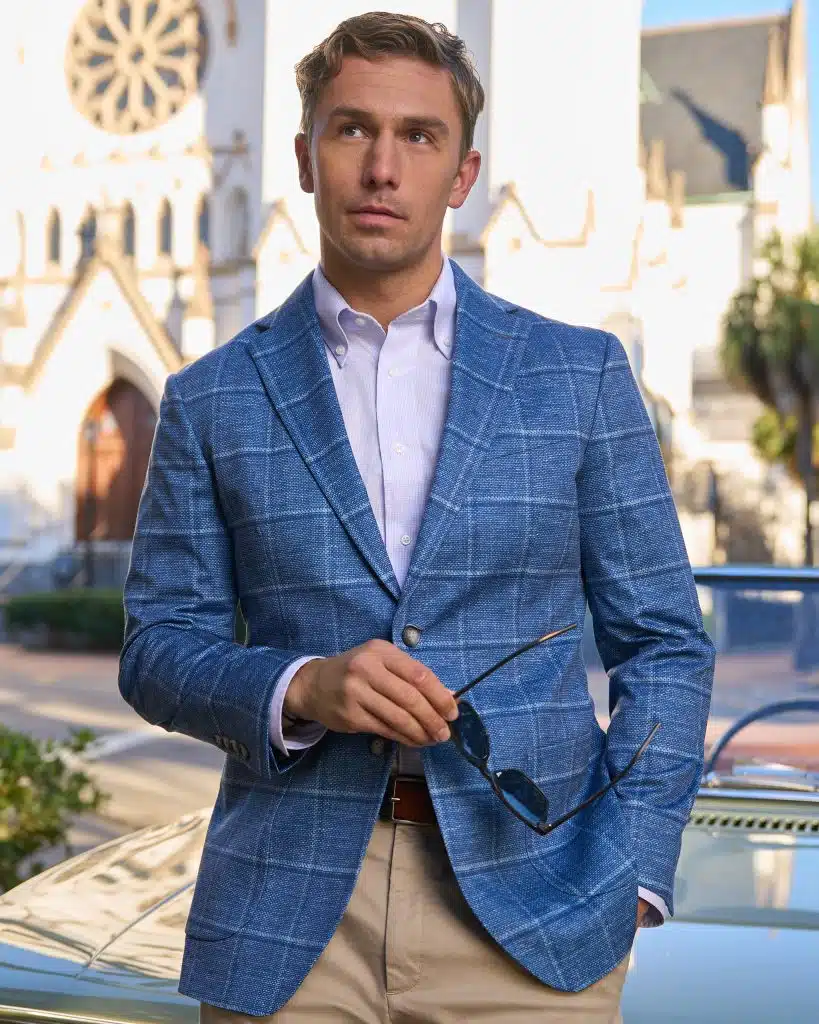
Hybrid Tech-Stretch Moisture-Wicking Shirt
Composition: 72% Long-Staple Cotton, 23% Recycled Nylon, 5% Spandex
Fabric Weight: 120-130 GSM High-Gauge Knit/Woven Hybrid
Special Feature: Quick-Dry Finish, Thermo-Regulating Core
Target Market: Frequent Travelers, Hospitality Management, Modern Office
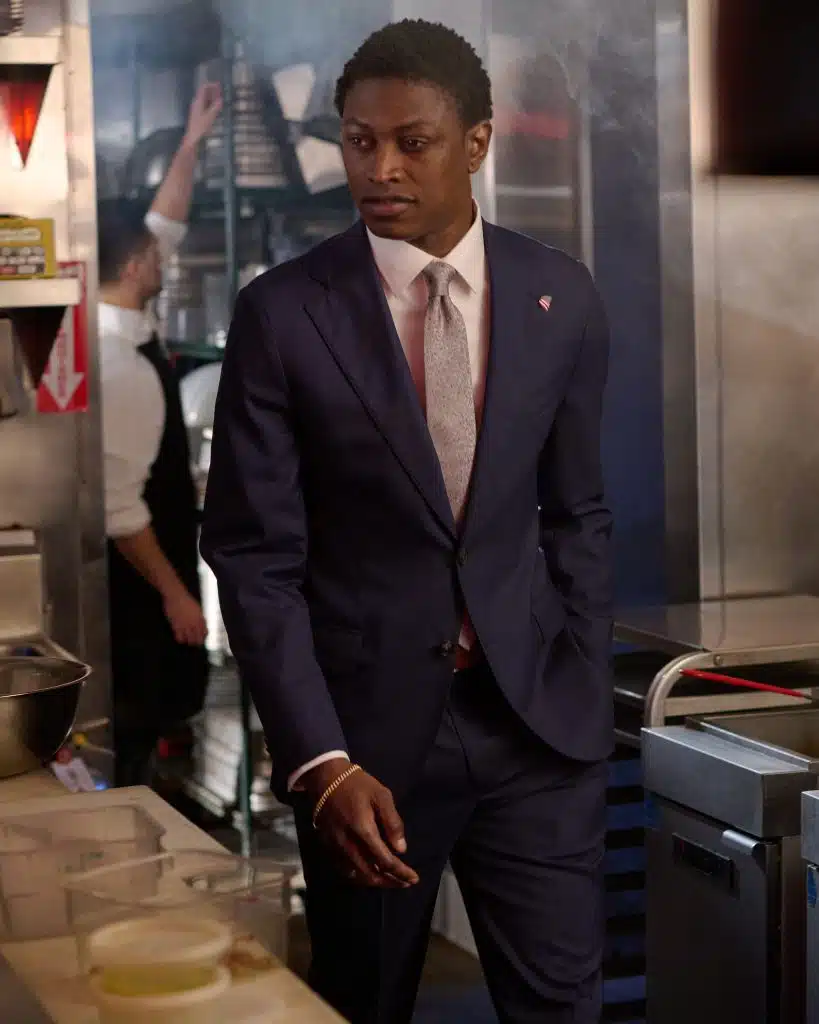
Essential Easy-Care 80s/2 Compact Cotton Shirt
Composition: 100% Combed Compact Cotton
Weave: Poplin / Royal Twill (125-135 GSM)
Wrinkle Rating: AATCC 124 Grade 3.5
Target Market: Department Stores, Mass Commercial Outfits, Airlines
Technical Fabric Engineering & Quality Specifications
For B2B buyers evaluating technical compliance sheets, understanding yarn architecture and chemical finishing benchmarks is paramount. The table below details the exact laboratory standards required for commercial-grade Men's Dress Shirts produced under enterprise quality management systems:
| Technical Parameter | Executive Luxury Standard | Core Corporate Standard | Performance Tech Standard | Testing Protocol Standard |
|---|---|---|---|---|
| Yarn Count & Ply | 100s/2 or 120s/2 Double Ply | 80s/2 or 60s/1 Compact | 50s/1 Cotton + 70D Elastane | ISO 2060 / ASTM D1907 |
| Fabric GSM | 135 - 145 g/m² | 120 - 130 g/m² | 125 - 140 g/m² | ASTM D3776 / ISO 3801 |
| Tear Strength (Warp/Weft) | Min 18 N / 15 N | Min 15 N / 12 N | Min 22 N / 20 N | ASTM D1424 (Elmendorf) |
| Tensile Strength | Min 280 N / 220 N | Min 240 N / 200 N | Min 320 N / 280 N | ISO 13934-1 / ASTM D5034 |
| Smoothness Appearance | Grade 4.0+ after 30 washes | Grade 3.5+ after 20 washes | Grade 4.0+ after 50 washes | AATCC 124 / ISO 7768 |
| Seam Puckering Rating | Grade 4.0 (Tape Reinforced) | Grade 3.5 (Interlined) | Grade 4.0+ (Ultrasonic/Tape) | AATCC 88B |
| Dimensional Stability | < ±2.0% Warp & Weft | < ±2.5% Warp & Weft | < ±1.5% Warp & Weft | AATCC 135 (3 Laundering Cycles) |
| Color Fastness to Washing | Grade 4-5 (Change & Stain) | Grade 4 (Change & Stain) | Grade 4-5 | ISO 105-C06 / AATCC 61 |
Key Industry Trends Driving Men's Dress Shirt Innovation
Product developers and procurement officers must align their multi-season purchasing plans with structural shifts in consumer behavior and industrial technology. Below are four key trends shaping the future of Men's Dress Shirts:
1. Non-Iron Resin Technology via Liquid Ammonia & Vapor Phase Curing
Traditional wrinkle-resistant treatments relied on heavy formaldehydes applied post-weaving, often causing a stiff hand feel and reduced fabric breathability. Modern premium sourcing utilizes Liquid Ammonia Pre-treatment (LA) combined with Vapor Phase (VP) Moist Curing. Ammonia treatment swells the cotton fiber cross-section, smoothing out the natural convolution of cotton, imparting high luster, superior tear strength, and a permanent soft hand feel. When followed by seam-taping (using TPU film ribbons embedded in armholes, side seams, and plackets), the final dress shirt achieves wrinkle immunity while remaining 100% breathable.
2. Ergonomic Fit Engineering & Mechanical 4-Way Stretch
Static, boxy cuts are obsolete. Today's commercial buyers demand 3-D ergonomic pattern block designs—featuring curved back yokes, offset armhole sleeve pitches, and high armhole cuts that allow complete freedom of arm movement without pulling the shirt hem out of the trousers. Furthermore, the market has embraced mechanical stretch yarn twisting techniques (such as high-twist cotton construction) or micro-spandex core-spun yarns, granting 12% to 18% elongation without compromising the traditional woven appearance of fine business attire.
3. Sustainable Fiber Mandates: Recycled Synthetics & Traceable Organic Cotton
Global ESG compliance has shifted sustainability from a marketing add-on to a strict procurement prerequisite. Top-tier brands now require GOTS (Global Organic Textile Standard) certified long-staple cotton, BCI (Better Cotton Initiative) compliance, or GRS (Global Recycled Standard) certified polyester/nylon blends. Molecular DNA tracing (e.g., Applied DNA Sciences) is increasingly requested by institutional buyers to verify that raw cotton does not originate from restricted regions, ensuring total compliance with global labor regulations.
4. Smart Collar Engineering & Thermo-Fused Interlinings
Collar curl and frayed points remain the leading cause of garment retirement. Innovations in high-frequency thermo-fused interlinings (such as Freudenberg or Wendler woven fusible interlinings) allow collars to maintain crisp architectural structure without feeling rigid against the neck. Convertible collar stays, micro-adjustable hidden button-down mechanisms, and sweat-stain-resistant inner collar bands are now standard features in mid-to-high-end B2B Men's Dress Shirts specifications.
Future Sourcing & Supply Chain Trends (2026-2030)
The global trade architecture for apparel manufacturing is re-aligning rapid response times with risk mitigation strategies. Procurement managers must prepare for three critical supply chain trends:
Nearshoring & Dual-Hemisphere Sourcing Networks
While traditional mass-volume manufacturing remains rooted in Southeast Asia (Vietnam, Bangladesh, India), strategic buyers are establishing dual-track supply networks. High-turnover replenishment styles and premium custom programs are increasingly placed with nearshore facilities in CAFTA-DR zones or domestic hubs (such as Tailored Brands’ American manufacturing footprint). This hybrid model reduces lead times from 120 days down to 14–21 days for rapid stock re-orders.
Digital Twin Prototyping & 3D Apparel Modeling
Physical sample iteration cycles consume up to 15% of total lead time and generate significant fabric waste. Advanced procurement organizations now utilize 3D digital twin rendering engines (CLO3D, Optitex) to evaluate drape, stress strain maps, colorway variations, and pattern fits prior to cutting physical fabric. This technology accelerates pre-production approval from weeks to under 48 hours.
Dynamic Inventory Replenishment & Flexible MOQ Frameworks
Over-production poses a severe financial and environmental hazard. Modern B2B supplier partnerships operate on low-MOQ (Minimum Order Quantity) initial commitments paired with fast-response fabric greige holding agreements. By holding undyed or un-cut fabric greige at regional hubs, manufacturers can execute customized dyeing, cutting, and finishing in small batches matching real-time POS data.

Why Partner with Tailored Brands: Enterprise Manufacturing & Retail Advantage
As the parent company behind Men's Wearhouse, Jos. A. Bank, Moores, and K&G Fashion Superstore, Tailored Brands represents unmatched scale, technical heritage, and supply chain strength in the menswear retail sector. Our organizational advantages provide commercial B2B partners with distinct market leverage:
- 1,400+ Retail Footprint Data Insights: We analyze fit preference, sleeve-length distribution, and collar wear data across millions of end-consumers annually, translating real-world customer telemetry directly into optimized shirt patterns.
- Premier American Manufacturing Heritage: Our Joseph Abboud Manufacturing Corporation in New Bedford, Massachusetts, stands as one of North America's largest and most sophisticated tailored apparel facilities, upholding rigorous standards of craftsmanship, seam accuracy, and quality control.
- Over 50 Years of Menswear Mastery: With five decades of institutional domain experience, our master tailors and textile engineers oversee every step of garment development—from initial fiber selection to final pressing.
- Uncompromising Corporate Social Responsibility (CSR): We enforce strict ethical sourcing codes, supply chain transparency, and fair labor audits across all tier-1 and tier-2 vendor networks, supported by our continuous corporate giving and veteran support programs (over $16M donated to military veterans).
- Turnkey OEM / ODM & Corporate Apparel Solutions: Whether you require private-label retail collections, corporate uniform programs, or specialized technical dress shirts, our centralized supply chain offers end-to-end design, sourcing, compliance, and global distribution.
Frequently Asked Questions (FAQ) for B2B Men's Dress Shirts Sourcing
- Poplin (Plain Weave): Lightweight, crisp, smooth texture; ideal for formal business and warm climates.
- Pinpoint Oxford (Basket Weave): Combines two warp threads over two weft threads; highly durable, structured look suitable for daily office wear.
- Royal Twill (Diagonal Weave): Features a distinct diagonal rib; produces a rich sheen, soft hand feel, and high resistance to wrinkling.
Elevate Your Menswear Sourcing Strategy
Partner with North America’s premier menswear authority. Contact our enterprise supply chain advisory team today for customized product catalogs, fabric swatch books, bulk pricing quotes, and OEM/ODM manufacturing consultation.