Textile Engineering
Product Development Horizons: Materiality & Ergonomics
Developing a high-performance custom suit line requires deep expertise at the fiber, yarn, and weaving stages. Modern business professionals require garments that withstand extended transit, resist creasing, and provide unrestricted range of motion.
1. High-Twist Merino Wool Formulations
By specifying 2-ply high-twist yarns (such as 4-ply tropical wools), suit fabrics gain a natural "spring-back" elasticity without relying on heavy synthetic elastomers. This preserves breathability while providing exceptional wrinkle recovery.
2. Hybrid Interior Construction Architecture
Modern product development has moved away from stiff, heavily fused chest pads. We utilize lightweight canvas formulations combining natural horsehair and soft cotton scrim, offering structural drape while accommodating diverse shoulder slopes and torso postures across global buyer demographic profiles.
3. Modular Customization Specifications
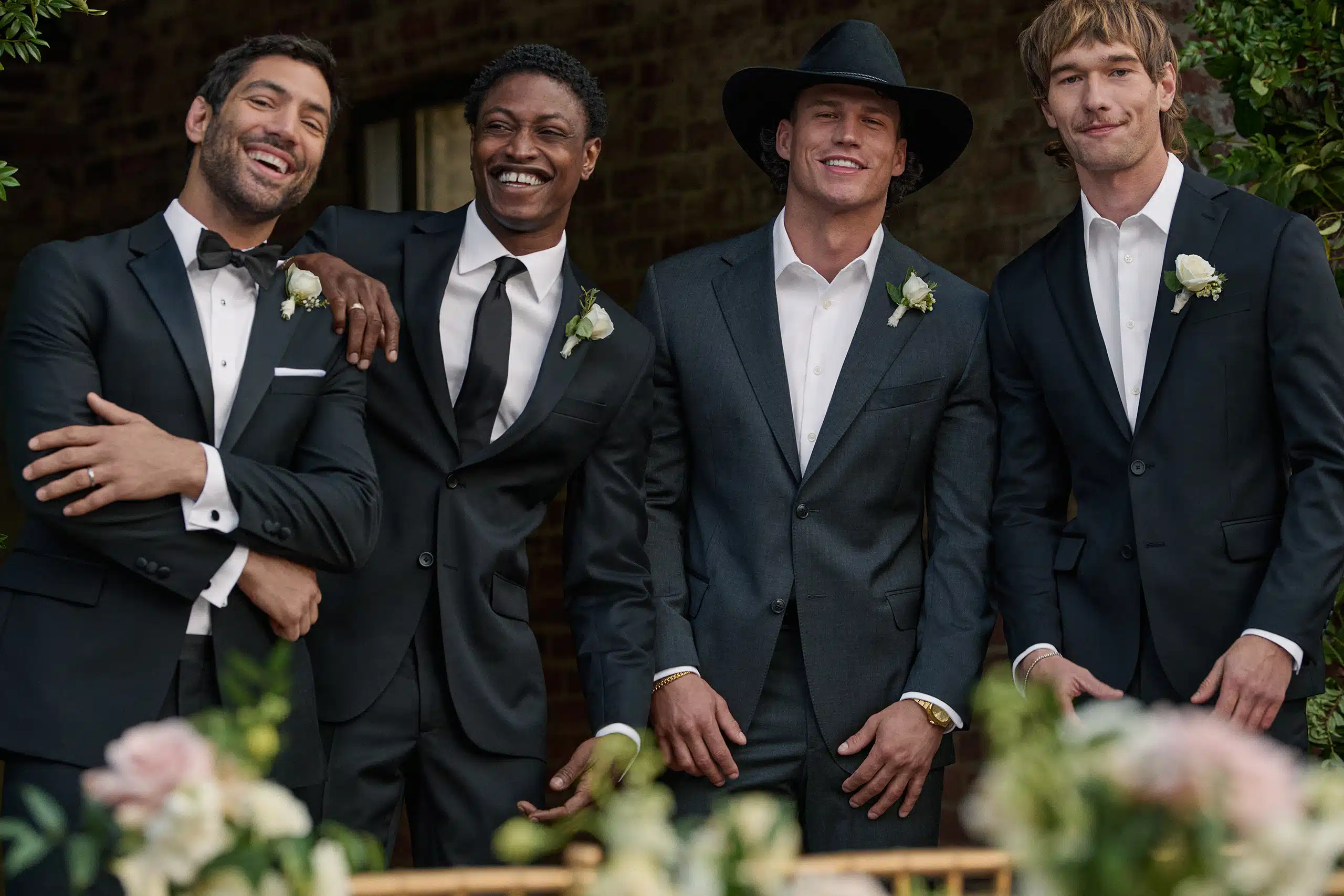
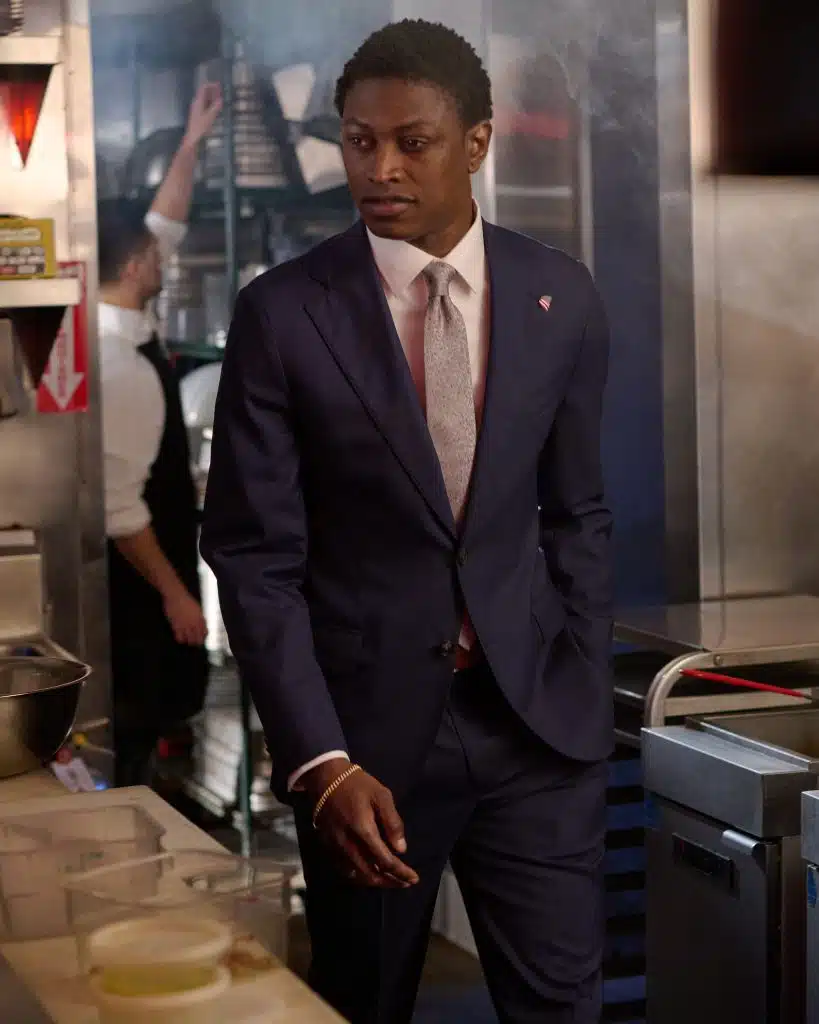
For corporate ordering portals, modularity is essential. Enterprise buying managers can specify standardized outer shell color palettes (Navy, Charcoal, Black, Mid-Grey) while allowing individual end-users to select personal custom parameters, including lining motifs, lapel widths (Notch, Peak, Shawl), and functional buttonholes.