
Style Guides & Insights

Tailored Brands Blog

Discover expert advice on menswear styling, custom tailoring trends, formalwear guides, and industry news.

0%

Choosing the right Men's Outerwear can shape how customers experience your store through an entire season. A dependable range balances warmth, weather protection, comfort, style, and a price customers understand. It also needs to fit your store’s location and the needs of the people who shop there. One rack cannot serve everyone.

Start with the conditions customers actually face. A lightweight water-resistant jacket may suit a rainy commute, while a lined parka can be more useful through a cold winter. Check fabric weight, insulation, zipper quality, pocket placement, and seam finishing. Details matter. Ask suppliers for clear product specifications, care instructions, and sizing information, then compare those details across styles rather than relying on appearance alone.

Stock planning deserves equal attention. Review past sales, customer questions, returns, and local weather patterns before deciding how many sizes and colors to order. A broad size range can help more shoppers find a comfortable fit, but too much depth in an untested style can leave expensive stock behind. That is an imperfect judgment, and it should be reviewed as real sales data comes in. Consider the balance between core colors, seasonal designs, and different price points. Customers may want a coat that looks sharp, yet warmth and everyday comfort often decide whether they wear it again. This guide explains what to assess, how to compare options, and where a careful buying decision can make a practical difference.
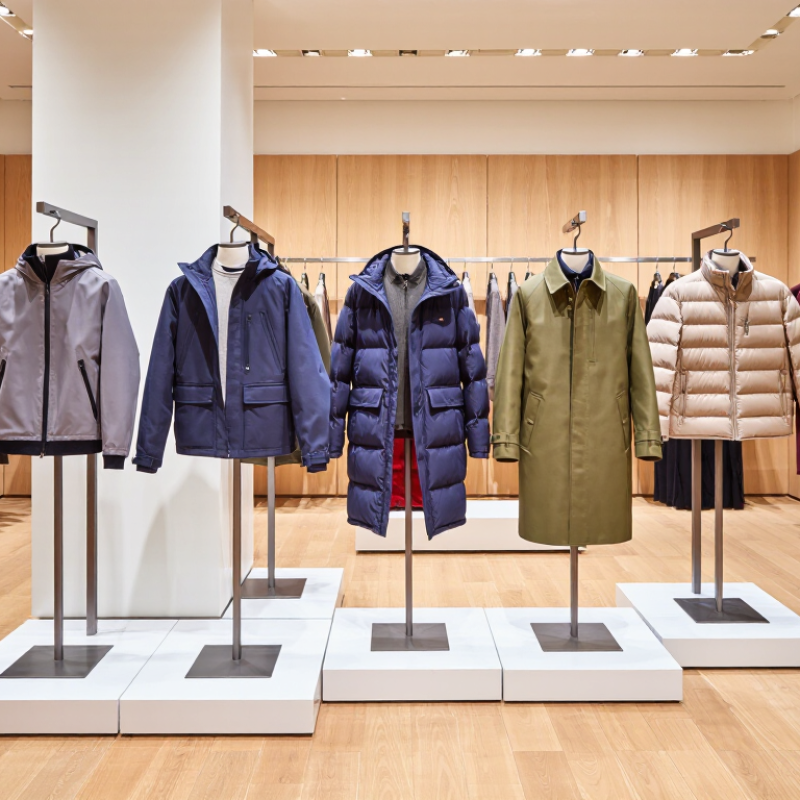
How to Choose the Best Men's Outerwear for Your Store?

Identify Your Store's Customers and Outerwear Requirements

Before choosing men’s outerwear, define who shops at your store and what their days look like. A commuter may need a lightweight, water-resistant jacket for short walks and crowded transit. A customer who works outdoors may prioritize warmth, durable seams, and room for layers. Ask staff what shoppers request, and note which sizes or styles people try but leave behind. Start with evidence.

Local conditions matter. Consider typical temperatures, wind, rain, and how long customers spend outside. Then compare those needs with your store’s price range and available space. A heavy coat may suit cold winters, but it can sit unsold in a mild climate. Fit matters. Check sleeve length, shoulder room, and whether a jacket closes comfortably over a sweater. Keep size availability in mind; one popular style in only a narrow size range may disappoint more shoppers than it serves.

Build a focused assortment rather than buying every type of coat. For example, a store near offices might carry versatile rain shells, insulated midweight jackets, and a few warmer options. This is not a perfect formula. Customer habits shift, and sales can reflect weather as much as preference. Review sell-through by size and style, ask buyers for brief feedback, and adjust future orders. A simple note about a tight shoulder or impractical pocket can reveal more than a display looks like it does.

Compare Men's Outerwear Types and Seasonal Uses

Men’s outerwear sells best when each style serves a clear weather need. Lightweight windbreakers suit breezy spring days and pack easily for travel. Water-resistant shells work for wet commutes, while insulated jackets and parkas offer warmth for colder months. Wool coats add a cleaner option for city wear, but may be less practical in heavy rain. Overshirts can bridge mild seasons; their usefulness depends on local temperatures and layering habits.

The Business of Fashion and McKinsey’s The State of Fashion 2025 projected 2–4% growth for the global fashion industry in 2025. This is not an outerwear-specific forecast, so treat it as broad context, not a buying target. Compare fabric weight, lining, closure quality, and room for a sweater. A jacket can look warm on a hanger and still feel thin outdoors. That gap deserves attention.

Tips: Match the range to your customers’ climate, not a generic seasonal calendar. Weather shifts fast. Check local sales history before placing deep orders, and stock versatile colors alongside a few seasonal choices. Fit matters. Ask shoppers which layers they actually wear; the answers may challenge your assumptions.

Assess Materials, Construction, Fit, and Performance

Choosing men’s outerwear begins with the fabric, but a label alone tells you little. Compare weight, texture, and how the material handles light rain or cold wind. A tightly woven shell may suit wet commutes, while wool blends often feel warmer in dry weather. Check seams, zippers, and pocket stitching. Small details matter. Pull gently at stress points and look for puckering or loose threads. These checks can reveal weak construction before a garment reaches the sales floor.

Fit should work over ordinary clothing, not just a thin shirt. Ask whether the shoulders sit cleanly and whether sleeves cover the wrists when arms are raised. Test it in motion. A customer should be able to reach forward without the back pulling tight. Compare measurements across sizes, since grading can vary between suppliers. I would not rely on a hanger fit alone; showroom lighting and still poses can hide stiffness and awkward bulk.

Performance claims deserve practical checks. Review care instructions, lining, insulation, ventilation, and pocket placement against the needs of your customers. A coat for daily transit may need a secure inner pocket and a hood that stays put in wind. Consider how quickly the fabric dries after a damp-weather test, if samples are available. Even a well-made jacket can feel too heavy after an hour. That trade-off is easy to overlook when choosing from a display. Keep notes on sample measurements and observed defects, then compare them with customer feedback after the first deliveries.

Evaluate Suppliers, Pricing, and Product Quality

A dependable men’s outerwear range starts with suppliers who can explain how garments are made and inspected. Ask for fabric composition, lining details, seam construction, and care instructions. Request samples in several sizes, not just one. Check zipper movement, pocket stitching, and whether sleeves allow a sweater underneath. Small defects show up quickly. If a supplier gives vague answers or changes lead times without notice, treat that as useful information, not a minor inconvenience.

Compare pricing beyond the unit cost. Include freight, packaging, minimum order quantities, and the risk of unsold seasonal stock. A cheaper jacket may have thin insulation or inconsistent sizing, which can increase returns. Ask suppliers how they handle faulty pieces and repeat orders. Their answers should be clear and documented. A perfect sample does not guarantee every carton will match; inspect a delivery before committing to a larger order.

Tips: Keep a simple scorecard for quality, communication, delivery, and total landed cost. Photograph sample details and record measurements. Test a few garments after washing, where care labels permit. Leave room for doubt. One review is never enough.

Build a Balanced Assortment and Plan Inventory Levels

A balanced men’s outerwear assortment starts with the customers who walk through your store, not a trend report. Track local weather, price preferences, and past sales before choosing styles. A mild region may need more lightweight jackets and fewer heavy parkas. Keep practical options in core colors, then test a smaller number of seasonal shades. Fit matters, too. Review size-level sales, since a popular style can still leave gaps in common sizes.

Plan inventory by category and selling period. Set a starting quantity for each style, color, and size, then account for supplier lead times and expected demand. For example, a store facing cold autumn weather should have insulated coats available before temperatures drop, not after. Hold some budget for timely reorders rather than committing every dollar at the start. Small tests help. They also limit the cost of guessing wrong.

Check sell-through and stock levels each week during peak season. If one jacket moves quickly, confirm that the pattern is consistent before expanding the order; a single cold snap can distort demand. Mark down slow sellers early enough to make room for fresh deliveries. No plan stays perfect. I would still revisit assumptions midseason, especially when weather or customer feedback changes. Keep notes on what sold, what lingered, and which sizes were repeatedly requested.

FAQS

How should a store choose men’s outerwear?

Start with local customers, weather, and past sales. A crowded commuter train may call for a light, water-resistant jacket.

Which outerwear styles suit different seasons?

Windbreakers suit breezy days, while insulated jackets and parkas offer more warmth. Overshirts can work between seasons. It depends on local weather.

How can a retailer assess jacket fit?

Check sleeve length, shoulder room, and comfort over a sweater. A jacket can look roomy on a hanger but feel tight when worn.

How much inventory should a store order?

Set quantities by style, color, and size, while allowing for supplier lead times. Keep some budget for reorders. Guessing can get expensive.

Why track sales by size?

A popular jacket may still disappoint if common sizes are missing. Note which sizes shoppers request and which they leave behind.

How often should inventory be reviewed during peak season?

Check stock and sell-through each week. A cold snap can make one fast-selling style look more popular than it really is.

How can a store reduce the risk of buying the wrong styles?

Test small quantities before placing deeper orders. Track customer comments, such as tight shoulders or pockets that feel impractical.

What should a store do with slow-selling outerwear?

Consider marking it down early enough to make room for new deliveries. No plan stays perfect. Recheck it midseason.

Conclusion

Choosing the right Men's Outerwear for your store starts with understanding who your customers are, what they need, and when they shop. Consider their preferred styles, activities, budgets, and local climate before selecting products. Compare outerwear types by their seasonal uses, from lightweight options for mild weather to insulated designs for colder conditions, so your selection serves customers throughout the year.

Next, assess materials, construction, fit, and performance to balance comfort, durability, and practical features. Review suppliers for consistent quality, dependable delivery, and pricing that supports your store’s margins. Finally, build a balanced assortment across styles, sizes, and price points, then set inventory levels according to seasonal demand and sales patterns. This thoughtful approach can help you offer useful choices while managing stock efficiently.

Olivia

Olivia

Olivia is a dedicated marketing professional with a deep understanding of the company's product offerings and a passion for sharing that knowledge. With her extensive expertise, she consistently updates the company's professional blog, providing valuable insights and informative articles that......