
Style Guides & Insights

Tailored Brands Blog

Discover expert advice on menswear styling, custom tailoring trends, formalwear guides, and industry news.

0%

Choosing the right Men's Sport Coats requires more than comparing colors and prices. Global buyers must assess fabric, construction, fit, seasonality, and supplier reliability. A coat that performs well in London may feel too heavy in Singapore. A soft wool blend can offer comfort, while linen-rich fabric suits warmer markets. These differences matter.

This guide examines ten practical types of men's sport coats for international sourcing and retail planning. Each style reflects a different customer need, from structured tweed jackets for cooler regions to lightweight cotton designs for relaxed business settings. We consider lapel shape, shoulder construction, lining, button quality, pocket details, and size consistency. Small details often reveal manufacturing discipline. Loose stitching does not.

Experience shows that product photographs can hide important weaknesses. Buyers should request fabric samples, measurement charts, close-up images, and pre-production samples before placing large orders. Independent quality checks can also confirm seam strength, color consistency, labeling accuracy, and packaging condition. Reliable suppliers should communicate clearly and provide documented specifications. Still, no checklist is perfect. Fit preferences change across countries, and even experienced buyers can misjudge demand.

The following overview offers a practical comparison for wholesalers, retailers, uniform planners, and fashion distributors. It does not promote one universal winner. Instead, it explains where each coat works best, what risks deserve attention, and how buyers can make more informed decisions. Expect useful guidance, but keep room for local testing. That is where better choices begin.
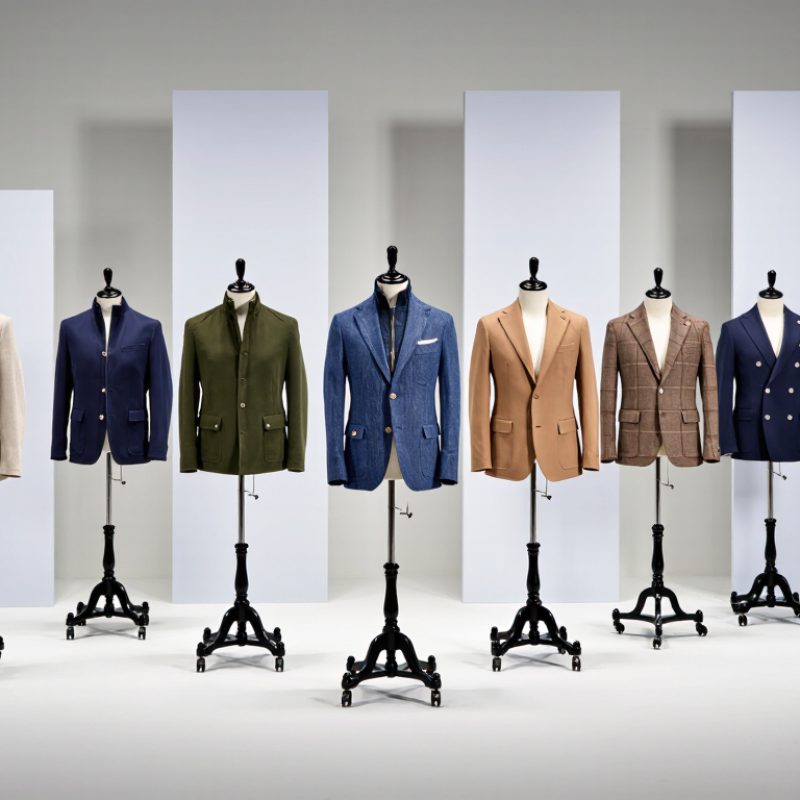
Top 10 Types of Men's Sport Coats for Global Buyers

Definition and Role of Men’s Sport Coats in Global Apparel Markets

Men’s sport coats are tailored jackets designed for less formal settings than business suits. They usually feature separate trousers, softer construction, and broader fabric choices. The category includes structured, unstructured, single-breasted, double-breasted, linen, tweed, seersucker, travel, performance, patterned, and velvet styles. This classification is useful, but not perfectly consistent across markets.

For global buyers, a sport coat connects formal appearance with daily practicality. A lightweight linen jacket suits humid cities, while a wool tweed coat supports colder retail regions. Unstructured shoulders reduce weight and create a relaxed silhouette. Performance fabrics can offer stretch, crease resistance, and easier care. However, climate, sizing systems, cultural preferences, and import requirements can change the product’s role significantly.

Market data supports careful positioning. McKinsey and The Business of Fashion reported that global fashion growth was expected to remain in the low single digits in 2025. Buyers therefore need versatile products, not excessive variety. IMARC Group valued the global men’s apparel market at about US$593.5 billion in 2023, with continued growth projected through 2032. Sport coats occupy a smaller niche within that market, yet they can serve offices, weddings, travel, and smart-casual occasions. That assumption can fail. A beautiful jacket may still underperform if its lining feels too warm, its sleeves fit poorly, or its color conflicts with local wardrobes. Data helps, but physical sampling remains essential.

Key Features Used to Classify Different Sport Coat Types

For global buyers, men’s sport coats are best classified by construction, fabric, and functional details. These features reveal how a coat will perform in different markets. An unstructured coat feels soft and relaxed, while a structured coat uses firmer canvas and sharper shoulders. Single-breasted styles suit everyday business settings. Double-breasted coats create a stronger, more formal shape.

Fabric also separates major sport coat types. Wool offers warmth, recovery, and a refined surface. Linen feels cooler but wrinkles quickly. Cotton provides a casual hand feel and easier seasonal use. Blended fabrics can improve durability, stretch, or price control. Buyers should inspect the weave, lining, seam strength, and button attachment. Lapel width, vent design, pocket shape, and sleeve construction also affect the final category. A patch-pocket coat looks informal. Flap pockets appear more polished. Slim, regular, and relaxed fits serve different body shapes and retail preferences. No classification is perfect. One coat may fit two categories.

Tips: Request fabric swatches and measurement charts before sampling. Check color changes under indoor and outdoor light. Test the coat while sitting, reaching, and moving. A practical detail matters. Review shrinkage, pilling, lining breathability, and pressing quality after laundering tests. Local climate should guide fabric weight, ventilation, and lining choices. Small differences can influence returns. A pocket may look attractive, yet reduce comfort when filled. Mistakes happen, especially when buyers judge appearance without testing movement.

Ten Core Types of Men’s Sport Coats and Their Distinctive Uses

Men’s sport coats serve different climates, settings, and movement needs. A classic navy sport coat works for business dinners, client meetings, and polished travel. Tweed coats provide warmth and texture for cool countryside events or autumn offices. Linen coats suit hot climates, although their natural wrinkles require realistic expectations. A herringbone coat adds subtle depth without appearing loud. It performs well with denim, chinos, or flannel trousers.

A windowpane sport coat creates a confident look for networking events and evening gatherings. Its broad lines need quieter shirts and trousers. Glen check coats offer a traditional pattern for office wear and formal daytime occasions. Corduroy sport coats bring durable texture to casual weekends, creative workplaces, and outdoor lunches. Hopsack sport coats use an open weave for airflow, making them practical in warm business environments. I have found that lining quality matters more than many buyers expect.

Double-breasted sport coats create a stronger silhouette for ceremonies, presentations, and formal dinners. They need careful button placement and enough room across the waist. Unstructured travel coats use softer shoulders and flexible fabrics for long journeys or frequent movement. They feel comfortable, but may look too relaxed in conservative offices. Fit remains decisive. Sleeves should reveal a small shirt cuff, while the collar should sit flat against the neck. Color, fabric weight, and local climate can change the best choice, and even experienced buyers sometimes underestimate regional preferences.

Top 10 Types of Men's Sport Coats for Global Buyers

Ten core types of men’s sport coats and their distinctive uses

The chart compares typical fabric weights in grams per square metre (g/m²), a practical indicator of warmth, structure, and seasonal suitability. Linen and seersucker are generally preferred for warm climates, while tweed, corduroy, and flannel are better suited to cooler conditions. Hopsack, fresco, cotton, knit, and velvet offer versatile options for business-casual, travel, evening, and transitional-season dressing. Values represent common market ranges and may vary by weave, finish, and garment construction.

Fabric, Construction, Fit, and Seasonal Differences Across Coat Types

Top 10 Types of Men's Sport Coats for Global Buyers

Men’s sport coats differ through fabric, construction, fit, and seasonal purpose. A wool blazer offers warmth, structure, and reliable wrinkle recovery for cooler markets. A linen coat feels light and breathable, but it creases quickly in humid conditions. Cotton sport coats provide a softer hand and casual appearance for spring and early autumn. Tweed coats add texture and insulation, making them suitable for cold, dry climates. Velvet coats create evening appeal, though their use is more limited.

Other useful options include flannel, corduroy, seersucker, silk-blend, and technical-performance coats. Flannel feels warm and soft, while corduroy brings visible ribs and durable casual character. Seersucker improves airflow through its puckered surface. Silk blends feel refined but need careful handling. Technical fabrics may resist water and wrinkles, yet they can feel less natural against the skin. I have found that fabric performance often matters more than appearance during long travel days.

Construction also changes comfort and price. Fully canvassed coats mold gradually to the body, while fused coats stay cleaner and usually cost less. Half-canvassed designs balance shape, flexibility, and value. Slim fits suit sharp styling, but regular fits allow easier movement. Relaxed fits work well over knitwear. Seasonal selection should consider local temperature, humidity, layering habits, and indoor heating. Measurements still need review. A coat labeled “regular” may fit very differently across factories and markets. Sampling remains essential.

Global Buyer Criteria for Sourcing, Quality Control, and Market Selection

Top 10 Types of Men's Sport Coats for Global Buyers

Global buyers often compare single-breasted, double-breasted, linen, tweed, herringbone, checked, textured, unstructured, travel, and performance sport coats. Each type serves a different climate, price level, and customer preference. Lightweight linen suits warm markets, while wool tweed performs better in cooler regions. Unstructured coats appeal to relaxed consumers, but they require careful shaping and clean shoulder construction.

Sourcing decisions should begin with measurable specifications. Confirm fabric composition, weight, colorfastness, shrinkage, seam strength, and lining performance. Inspect sleeve pitch, collar roll, button attachment, and pattern matching. A good sample is not enough. Production consistency matters more. During factory visits, buyers should review cutting accuracy, pressing methods, needle control, and final measurement records. My own mistake was trusting a polished sample without checking repeated production pieces. That lesson still influences my inspection plans.

Tips: Match fabric weight to the destination climate. Request size-set samples before bulk approval. Use AQL-based inspections, but do not depend on the number alone. Photograph defects beside measurement tools for clear supplier communication. Check local labeling and textile requirements before shipment. Market research also needs humility; a popular style in one country may move slowly elsewhere. Small pilot orders can reveal real demand, although they may increase unit costs. That trade-off deserves honest review.

Top 10 Types of Men's Sport Coats for Global Buyers - Global Buyer Criteria for Sourcing, Quality Control, and Market Selection

Rank Sport Coat Type Typical Fabric & Weight Construction & Design Features Best Climate & Season Primary Market Positioning Key Sourcing Criteria Essential Quality-Control Checks Common Buyer Risks
1 Wool Blazer 100% wool or wool blend; approximately 220–320 g/m² Notch lapel, two-button front, flap or patch pockets, half or full lining Temperate climates; autumn, winter, and year-round midweight use Business-casual, office wear, travel, and smart separates Consistent wool micron, fabric recovery, low pilling tendency, stable shade, and reliable size grading Fabric weight, shade matching, seam slippage, sleeve pitch, button attachment, lining smoothness, and pressing quality Fabric shine, excessive shrinkage, skipped stitches, poor shoulder balance, and inconsistent measurements
2 Cotton Twill Sport Coat Cotton or cotton-elastane twill; approximately 240–340 g/m² Soft hand feel, patch pockets, natural texture, often lightly structured Warm and transitional climates; spring, summer, and early autumn Casual lifestyle, weekend dressing, and accessible smart-casual retail Long-staple or combed cotton, controlled shrinkage, colorfast dyeing, and suitable stretch recovery where applicable Dimensional stability after washing, crocking, colorfastness, seam strength, pocket symmetry, and fabric skew Wrinkling, color transfer, shrinkage, pocket distortion, and elastane recovery loss
3 Linen Sport Coat Linen or linen blend; approximately 180–260 g/m² Unstructured or lightly canvassed body, breathable construction, patch pockets Hot and humid climates; late spring and summer Resort wear, warm-weather office dressing, weddings, and destination events Breathable fiber content, controlled slub effect, low fabric defect rate, and appropriate garment wash or finish Fiber-content verification, seam stability, shade variation, dimensional change, loose yarns, and pressing appearance Excessive wrinkling, fabric weakness, uneven slubs, seam puckering, and shade inconsistency
4 Tweed Sport Coat Wool or wool blend; approximately 300–450 g/m² Textured surface, stronger shoulder structure, patch or welt pockets, often elbow-reinforcement options Cool and cold climates; autumn and winter Heritage-inspired, country casual, premium outdoor lifestyle, and seasonal collections Even texture, adequate abrasion resistance, controlled hairiness, durable lining, and accurate pattern matching Abrasion testing, seam slippage, fabric thickness, pattern alignment, button security, and lining attachment Overly bulky fit, excessive shedding, rough hand feel, weak pocket corners, and pattern mismatch
5 Hopsack Weave Blazer Wool, wool blend, or synthetic blend; approximately 230–300 g/m² Open basket weave, breathable construction, notch lapel, two-button or three-roll-two front Temperate and warm climates; spring through early autumn Versatile business-casual and travel wardrobe essential Stable open weave, snag resistance, low seam slippage, breathable lining, and strong recovery after wear Weave uniformity, seam slippage, snag testing, front balance, lapel roll, and sleeve mobility Snagging, stretching at stress points, seam opening, and visible weave distortion
6 Seersucker Sport Coat Cotton or cotton blend; approximately 120–190 g/m² Permanent puckered stripe or check texture, lightweight structure, often unlined or half-lined Hot and humid climates; summer Casual summer tailoring, resort collections, and warm-weather events Stable puckering, breathable construction, low shrinkage, colorfast stripes, and lightweight but durable components Wash shrinkage, stripe alignment, puckering consistency, seam puckering, colorfastness, and button security Flattened texture after finishing, excessive shrinkage, stripe misalignment, and weak lightweight seams
7 Corduroy Sport Coat Cotton or cotton blend; approximately 250–380 g/m² Raised wale surface, patch pockets, soft structure, commonly two-button or double-breasted styling Cool climates; autumn and winter Casual heritage, campus wear, seasonal lifestyle, and contemporary smart-casual Uniform wale direction, durable pile, low color crocking, comfortable lining, and controlled garment wash Wale alignment, pile crushing, abrasion resistance, shade consistency, seam strength, and post-wash measurements Pile damage, visible pressure marks, color rubbing, bulky fit, and uneven wale placement
8 Jersey Knit Sport Coat Wool, cotton, viscose, polyester, or blended knit; approximately 220–350 g/m² Stretch comfort, soft shoulder construction, knit panels or full knit shell, often unstructured Indoor, transitional, and travel use; suitable for variable climates Comfort tailoring, commuting, travel, and easy-care collections Balanced stretch and recovery, anti-pilling performance, stable shape, breathable fiber mix, and secure knit-to-seam construction Stretch recovery, pilling, spirality, seam extension, dimensional stability, and collar roll Bagging at elbows, pilling, twisting seams, poor recovery, and loss of shape after washing
9 Technical Performance Sport Coat Polyester, polyamide, elastane, or blended woven fabric; approximately 150–260 g/m² Water-repellent finish, stretch panels, breathable lining, functional pockets, and travel-focused details Variable climates, commuting, travel, and active urban use Performance lifestyle, business travel, wrinkle-resistant wardrobes, and modern workwear Verified performance claims, durable water-repellent finish, stretch recovery, low wrinkle retention, and responsible chemical management Water-repellency testing, hydrostatic or spray performance where claimed, colorfastness, seam strength, zipper function, and laundering durability Finish degradation, poor breathability, noisy fabric, pilling, static buildup, and unsubstantiated performance claims
10 Double-Breasted Sport Coat Wool, cotton, linen, or blended fabric; approximately 220–380 g/m² Overlapping front, two parallel button rows, peak lapels, stronger chest and waist shaping Temperate and cool climates; year-round depending on fabric weight Fashion-led tailoring, occasion wear, formal smart-casual, and premium seasonal capsules Accurate front overlap, stable lapel shape, balanced button placement, strong internal support, and precise grading across sizes Front alignment, button spacing, lapel symmetry, collar stand, chest balance, pocket placement, and movement comfort Gaping front, misaligned buttons, restrictive armhole, uneven lapels, and fit inconsistency between sizes

FAQS

What is a men’s sport coat?

It is a tailored jacket for less formal settings than a business suit. Its trousers are usually separate. Construction may feel softer and more relaxed.

Which sport coat works best in hot climates?

Linen and hopsack fabrics allow better airflow. A lightweight, partly lined jacket can feel cooler. Expect some wrinkles. That is normal.

Which style suits colder regions?

Wool tweed provides warmth and visible texture. It works well for autumn offices, countryside events, and cool daytime gatherings. It may feel too heavy indoors.

Why does lining quality matter?

Poor lining can trap heat, pull across the shoulders, or cling to shirts. A smooth, breathable lining improves movement. Buyers often underestimate this detail.

What is a good sport coat for travel?

An unstructured travel coat uses soft shoulders and flexible fabric. Stretch and crease resistance can help during long journeys. It may look too casual in conservative offices.

How should buyers choose patterns?

Windowpane patterns create a confident appearance. Wear quieter shirts and trousers with them. Herringbone adds depth without looking loud. Pattern preference varies by region.

What fit details should buyers check?

The collar should lie flat against the neck. Sleeves should show a small shirt cuff. The waist needs comfortable movement. A beautiful jacket can still fail here.

How should buyers position sport coats in global markets?

Focus on versatile uses, such as dinners, travel, offices, weddings, and smart-casual events. Avoid excessive variety. Market data helps, but physical samples matter more.

Conclusion

Men’s Sport Coats are versatile tailored garments that bridge formal and casual dressing in global apparel markets. Unlike rigid business jackets, they are valued for flexible styling, practical comfort, and a broad range of textures, patterns, and construction methods. This overview introduces ten core types, including lightweight seasonal coats, textured country styles, travel-friendly options, unstructured designs, double-breasted models, patterned coats, and refined evening-inspired versions. Each type serves different occasions, climates, customer preferences, and retail positioning.

For global buyers, classification depends on fabric, lining, shoulder structure, closure design, pocket details, pattern, fit, and seasonality. Wool blends may support cooler markets, while cotton, linen, and breathable synthetic blends suit warmer regions. Buyers should assess fabric consistency, stitching strength, shape retention, colorfastness, sizing accuracy, and finishing quality during supplier evaluation and production inspection. Careful consideration of target-market lifestyles, price levels, climate, and distribution channels helps buyers select sport coat types that balance appearance, durability, comfort, and commercial potential.
Olivia

Olivia

Olivia is a dedicated marketing professional with a deep understanding of the company's product offerings and a passion for sharing that knowledge. With her extensive expertise, she consistently updates the company's professional blog, providing valuable insights and informative articles that......