The world of professional attire can often seem daunting. Yet, the right choice of "Custom Tailored Suits" can make a significant difference in one's career trajectory. According to industry expert, James Moore, "A well-fitted suit is not just clothing; it’s a statement of confidence." This highlights the importance of tailored suits in shaping first impressions.
Selecting a "Custom Tailored Suit" isn't merely about aesthetics. Fit, fabric, and personal style play crucial roles. Many forget that the right suit can elevate not just how others see them, but how they see themselves. The confidence gained from wearing a suit that fits perfectly can be transformative in professional settings.
However, the journey to finding the ideal suit can be filled with uncertainty. Choosing the right tailor and understanding one's body shape requires careful consideration. Investing time in this process often yields remarkable benefits. A poorly made suit, regardless of price, can undermine one's credibility. Reflecting on past choices can lead to better decisions in the future. Remember, in the realm of "Custom Tailored Suits," imperfections in selection can guide us toward excellence.
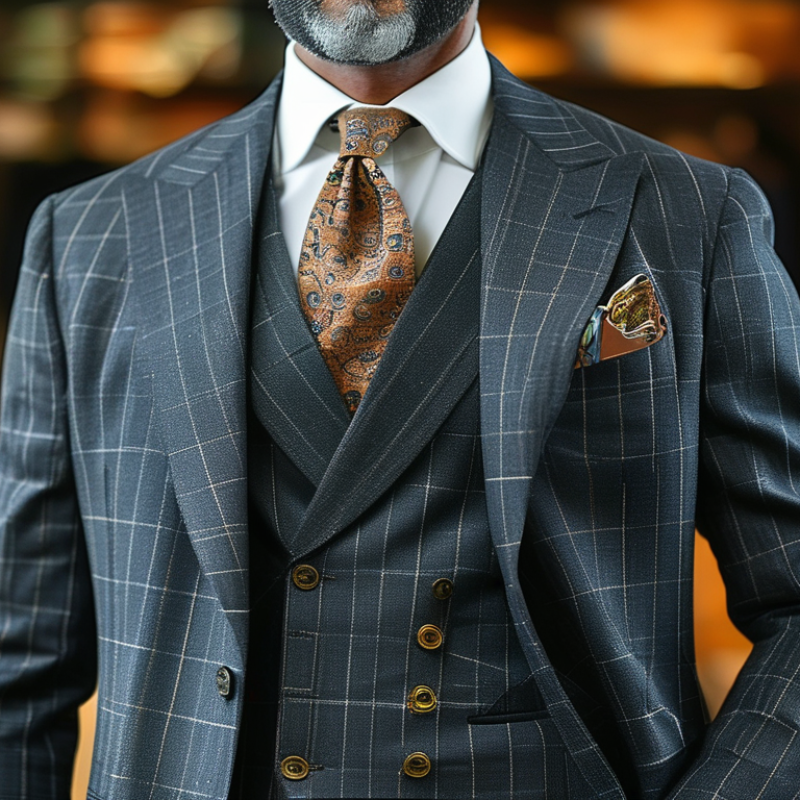
Understanding the Importance of Custom Tailored Suits in Business
In the corporate world, appearances matter significantly. A recent study by the American Psychological Association found that over 60% of employers consider attire when assessing professionalism.
Custom tailored suits offer a unique advantage, creating an impression of confidence and authority. When a suit fits perfectly, it communicates attention to detail. This can enhance first impressions, leading to more successful business interactions.
Choosing the right fabric is crucial. Wool blends are favored for their versatility and comfort. In contrast, linen works well in warmer climates. A tailored suit not only matches your body shape but also reflects your personality.
Reports indicate that 75% of professionals feel more confident in a custom suit. This boost in self-esteem can influence negotiations and presentations.
However, perfection is subjective. What works for one person might not suit another’s style. Some find the process daunting. Tailoring takes time and requires several fittings.
It’s essential to embrace this journey, as investing in a quality suit contributes to long-term career success. Ultimately, the right custom suit can play a pivotal role in shaping your professional identity.
Key Factors to Consider When Choosing Fabric for Tailored Suits
Choosing the right fabric for a custom tailored suit is crucial for achieving a polished professional look. Natural fibers such as wool and cotton are great choices as they offer breathability and durability. Wool, in particular, drapes beautifully, enhancing the suit's silhouette. However, it’s important to consider the climate where you’ll wear the suit. Heavier fabrics might not be suitable for warmer weather. Always feel the fabric to assess its quality. A fabric may appear luxurious but can feel uncomfortable against the skin.
Texture plays a significant role in the suit's visual appeal. A smooth, fine texture can convey professionalism, while a coarser fabric can add character. It's essential to strike a balance between comfort and aesthetics. Reflect on your personal style, as well. Patterns can showcase personality, but overdoing it might distract from your professionalism. When working with a tailor, be open to their advice regarding fabric behavior and maintenance. Realistically, not every fabric will suit every occasion, and there might be some trial and error before finding the perfect one. A suit may look fantastic initially, but how it ages over time is just as important.
How to Choose Custom Tailored Suits for Professional Success? - Key Factors to Consider When Choosing Fabric for Tailored Suits
| Factor |
Description |
Recommended Fabrics |
| Fabric Type |
Choose a fabric that suits the occasion and climate. |
Wool, Cotton, Linen |
| Weight |
Consider the weight of the fabric based on the season. |
Lightweight for summer, Heavyweight for winter |
| Texture |
The texture affects both appearance and comfort. |
Smooth, Twill, Herringbone |
| Pattern |
Pattern can convey professionalism or creativity. |
Solid, Striped, Checked |
| Color |
Colors can influence perception and mood. |
Navy, Charcoal, Light Gray |
The Role of Fit and Structure in Enhancing Professional Image
When it comes to choosing custom tailored suits, fit and structure are paramount. A suit that fits well can transform your appearance and boost your confidence. Look for suits that hug your shoulders without pulling. The jacket should contour your body, offering a structured yet comfortable silhouette. Pay close attention to the sleeve length as well; sleeves should end just above the wrist for that polished look.
The materials used in the suit also play a significant role. Opt for natural fabrics that breathe, allowing you to wear the suit throughout long workdays. A suit with an appropriate canvas inside provides necessary structure, making the jacket look sharp without sacrificing comfort. Consider how the suit feels while moving. Does it restrict your range of motion? Reflecting on these aspects will help you make better choices.
However, the pursuit of the perfect fit isn’t without challenges. Body shapes vary greatly, and not every cut works for everyone. You might encounter inconsistencies in fit when switching between tailors. Recognizing these factors early can guide you in making adjustments. The aim is to achieve a balance between style and practicality, ensuring that the suit not only looks great but also aligns with your professional aspirations.
Analyzing Style Options: Classic vs. Contemporary Tailored Suits
When choosing between classic and contemporary tailored suits, style and fit are paramount. Classic suits exhibit timeless elegance, characterized by structured shoulders and a single-breasted jacket. This style exudes authority, making it suitable for traditional business environments. The fabrics often include wool or tweed, offering durability and a sophisticated appearance. Tailoring should focus on a perfect fit, ensuring comfort while enhancing professional confidence.
Contemporary suits, in contrast, embrace modern aesthetics. They often feature slimmer cuts and trendier materials like stretch fabrics. This style allows for more individual expression. Think about the color palette. Bold colors or unique patterns can set one apart in a sea of traditional styles. However, it’s essential to navigate trends wisely. Overly trendy designs might not age well and could come off as unprofessional in a conservative setting.
Finding the right style balance is key for professional success. Consider your industry and personal brand. Reflect on how each suit style aligns with your goals. Classic suits offer reliability, while contemporary designs provide a fresh edge. Investing in quality tailoring ensures both options flatter your frame and complement your unique personality.
Comparison of Style Preferences for Tailored Suits
Budgeting for Custom Tailored Suits: Balancing Cost and Quality
When budgeting for custom tailored suits, balancing cost and quality is crucial. A well-fitted suit can enhance your professional image and boost confidence. According to a 2021 survey by the Custom Tailors and Designers Association, 75% of professionals believe that the right suit can positively influence career opportunities.
Understanding material and craftsmanship can help you make informed decisions. High-quality fabrics, like wool or cashmere, typically range from $200 to $600 per yard. However, the average custom suit can start at around $1,200. This investment might seem high, but it significantly impacts your overall presentation. Research suggests that individuals wearing well-tailored suits are perceived as more competent.
Many professionals hesitate when facing high initial costs. However, the longevity of custom suits often justifies the expense. A tailored suit can last a decade or longer with proper care. Balancing quality with budget requires careful thought. Consider investing a little more in timeless styles that won’t go out of fashion. Reflect on your wardrobe needs. A single, high-quality suit may serve multiple occasions if you choose wisely.
FAQS
: Custom suits enhance professionalism. They communicate confidence and authority. This creates a better first impression in business.
Wool blends are versatile and comfortable. Linen is great for warm climates. Choose fabric based on your needs.
75% of professionals feel more confident in a custom suit. This boost can affect negotiations and presentations positively.
Some find it daunting. Custom suits require several fittings. Embrace the journey for the right fit and quality.
Balance cost and quality. High-quality suits can start around $1,200. Think about the impact on your professional image.
Yes, they can last a decade or more. A tailored suit can significantly enhance your overall presentation and opportunities.
Perfection is subjective. What fits one may not fit another. Reflect on your personal style and professional needs.
With proper care, a tailored suit can last many years. Quality investments often pay off in the long run.
Not necessarily. Timeless styles are often a better investment. Avoid trends that may quickly go out of fashion.
It’s important to communicate concerns during fittings. Reflecting on what didn’t meet expectations can help in adjustments.
Conclusion
In today's competitive business landscape, the importance of custom tailored suits cannot be overstated. They are essential for creating a professional image that conveys confidence and competence. When selecting a tailored suit, it is crucial to consider key factors such as fabric choice, which can significantly influence both comfort and appearance. Additionally, the fit and structure of the suit play a vital role in enhancing one's professional presence, ensuring that the suit complements the wearer's physique.
As individuals weigh their style preferences between classic and contemporary options, they must also be mindful of budgeting for custom tailored suits. Striking the right balance between cost and quality will result in a garment that not only looks exceptional but also lasts over time, contributing to sustained professional success. Overall, investing in custom tailored suits is a strategic decision for those looking to make a lasting impression in their careers.