
Style Guides & Insights

Tailored Brands Blog

Discover expert advice on menswear styling, custom tailoring trends, formalwear guides, and industry news.

0%

As the Menswear Retail Industry continues to evolve, understanding the latest trends is crucial for success. Renowned expert Andrew McLean, a leading voice in fashion retail, once stated, "Adaptability is key in a world where consumer preferences shift rapidly." This sentiment resonates deeply in the current landscape, where innovation and customer engagement drive the market forward.

Today, several trends are redefining the menswear sector. Sustainability has emerged as a top priority. Many brands are adopting eco-friendly practices, appealing to conscious consumers. Online shopping's rise is another significant trend. With the advent of technology, men’s fashion is becoming more accessible than ever. Yet, this shift presents challenges, such as the need for personalized customer experiences.

Additionally, the blending of casual and formal styles is reshaping traditional collections. Consumers are looking for versatile pieces that fit various occasions. However, brands must reflect on how to maintain uniqueness in a saturated market. With these dynamics, the Menswear Retail Industry must navigate a complex landscape to thrive.
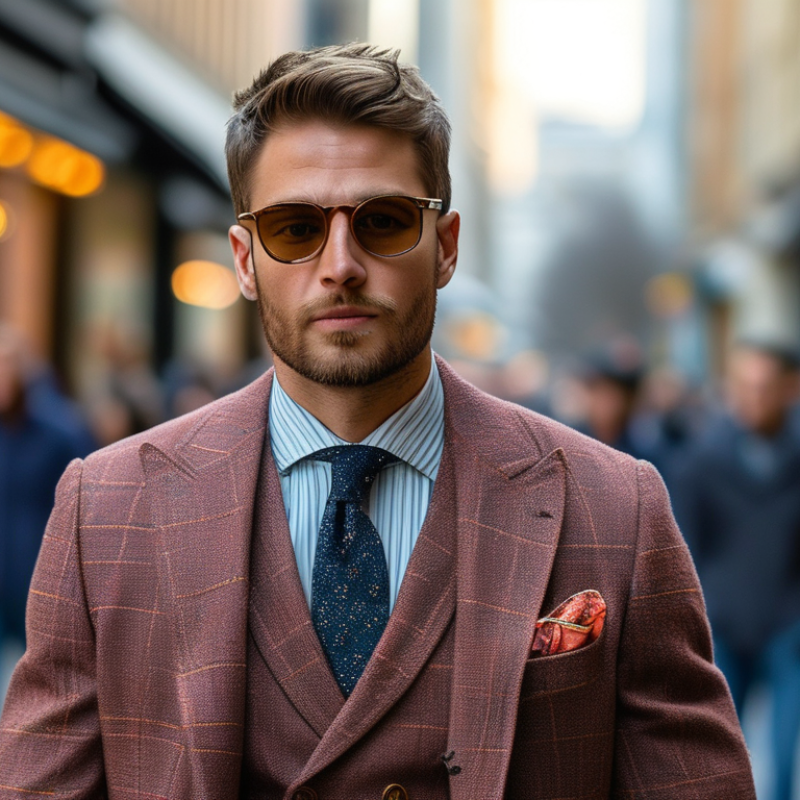
Top 10 Trends Shaping the Menswear Retail Industry Today?

Emerging Technologies Transforming Menswear Retail Operations

Emerging technologies are transforming menswear retail operations in significant ways. From smart fitting rooms to artificial intelligence, the landscape is changing quickly. Retailers now use virtual fitting solutions to enhance customer experiences. Shoppers can try clothes without stepping into a fitting room. This convenience is becoming crucial in attracting tech-savvy customers.

Data analytics is another game-changer. By analyzing purchase patterns, retailers can better forecast demand. This helps in managing inventory more efficiently, reducing waste. However, many brands face challenges in interpreting data correctly. Sometimes, the insights drawn can be misleading. It’s essential to continually refine analytics processes to avoid costly mistakes.

For retailers, keeping pace with technology is vital. Exploring different software and applications can yield unexpected benefits. Regularly training staff on new systems enhances operational efficiency. Consumers expect seamless online and offline experiences. Brands that prioritize these evolving technologies are likely to thrive in the competitive menswear market. Balancing innovation with traditional retail practices will remain a challenge. Embracing this change thoughtfully can lead to better outcomes.

Top 10 Trends Shaping the Menswear Retail Industry Today

This chart illustrates the top 10 trends currently influencing the menswear retail industry, highlighting the impact of emerging technologies on operational efficiencies and consumer engagement.

Sustainable Practices Reshaping Men’s Fashion Supply Chains

Sustainable practices are changing men’s fashion supply chains significantly. Research indicates that 66% of consumers are willing to pay more for sustainable products. This shift is pushing manufacturers to adopt eco-friendly materials and production methods. Many are investing in recycled fabrics, reducing water usage, and minimizing waste.

The fashion industry is the second-largest polluter globally. These unsustainable practices are creating urgency. Brands are now focusing on transparency in their supply chains. Consumers demand to know where their clothing comes from. A report by the Ellen MacArthur Foundation highlights that transitioning to a circular economy could reduce greenhouse gas emissions by 45% by 2030.

However, the journey toward sustainability isn’t flawless. Many companies struggle to balance affordability with ethical practices. Some sustainable initiatives may lead to increased prices, leaving consumers hesitant. Brands face pressure to innovate while maintaining their profit margins. This complexity requires continued dialogue, innovation, and commitment from all stakeholders.

Rise of Online Shopping and Its Impact on Traditional Retail

The rise of online shopping has dramatically reshaped the menswear retail landscape. More consumers are opting for the convenience of browsing and purchasing apparel from home. Digital storefronts are not tied to geographical locations, allowing brands to reach a global audience. Traditional retailers are feeling the pressure, as foot traffic dwindles in brick-and-mortar stores. This shift invites reflection on the importance of adaptability in an evolving market.

However, the online experience is not without its faults. Many consumers struggle with sizing issues when shopping digitally. The inability to feel fabrics or try on clothes presents a significant barrier. Retailers also face challenges in managing returns, which can be costly. The connection with customers often feels more distant in virtual settings, leading to potential dissatisfaction. Enhancing the online shopping experience requires a focus on detailed product descriptions, high-quality images, and virtual fitting technologies.

The hybrid model might be key for future success. Integrating online and offline strategies can help bridge the gap. Retailers might consider offering in-store pickups for online orders. Events that combine the physical and digital worlds could also engage customers more effectively. This approach requires ongoing evaluation and adjustment. Adapting to these changes is critical for survival in today’s competitive menswear market.

Shift in Consumer Preferences Toward Versatile and Casual Wear

The rise of casual wear is reshaping menswear retail trends. Consumers are increasingly opting for versatile clothing that blends comfort and style. This shift reflects a broader cultural change where casual looks are not just accepted but desired. As more people work from home, the demand for soft fabrics and relaxed fits grows. Styles that can transition from home to outdoor activities are becoming key selling points.

Creating a versatile wardrobe is essential. Look for items that pair well together. Neutral colors and simple designs make mixing and matching easier. Don't overlook the power of accessories. A smart hat or a unique belt can elevate a casual look instantly.

However, brands must continuously adapt. What works today might not resonate tomorrow. Keeping an eye on customer feedback is vital. Engaging with your audience can unveil preferences and emerging trends. Thus, flexibility in design and inventory can support success in evolving markets. Strive for quality while experimenting with new styles. Balancing these elements can lead to a more loyal customer base.

Influence of Social Media and Influencers on Menswear Trends

Social media has transformed menswear trends dramatically. Platforms like Instagram and TikTok shape what men wear today. According to a report from the NPD Group, nearly 30% of men aged 18-34 are influenced by social media when they shop. This shows how powerful digital platforms have become in the fashion landscape.

Influencers play a crucial role. They bring fresh ideas and styles to the forefront. Data from a recent survey reveals that about 40% of shoppers feel more connected to brands endorsed by influencers. This connection builds trust, which is vital in a market where authenticity is key. However, not every trend lasts. Fast-fashion cycles often lead to waste and overconsumption, prompting a necessary shift towards sustainability in the industry.

Consumers increasingly prioritize brands that align with their values. A study by McKinsey found that 67% of men consider sustainability when buying clothes. This evolving mindset forces brands to rethink their strategies. The influence of social media and trends can sometimes overshadow deeper issues, but it also holds the potential to drive positive change.

FAQS

: What technologies are transforming menswear retail?

: Technologies like smart fitting rooms and artificial intelligence change how customers shop. Virtual fitting solutions enhance the experience.

How can data analytics benefit retailers?

Analyzing purchase patterns helps manage inventory and forecast demand. It reduces waste and improves efficiency.

What challenges do brands face with data analytics?

Misinterpretation of data insights can occur. Refining analytics processes is essential to avoid costly mistakes.

Why is staff training important in retail?

Regular training on new systems boosts operational efficiency. It prepares staff for evolving technology and consumer expectations.

What influences the shift toward casual wear?

Consumers prefer versatile clothing that combines comfort with style. This trend reflects changes in work habits and lifestyle preferences.

How can one create a versatile wardrobe?

Look for items that mix well. Neutral colors and simple designs facilitate easier pairing.

What role do accessories play in casual wear?

Accessories like hats or unique belts can elevate a look quickly. They add personality and style to outfits.

Why is customer feedback important for brands?

Engaging with customers can reveal preferences and trends. Listening helps brands adapt to changing market demands.

How can brands balance innovation with tradition?

Embracing new technologies while maintaining traditional practices is challenging. Thoughtful adaptation can lead to better outcomes.

What should brands consider when designing new styles?

Flexibility in design and quality is crucial. Continuous adaptation helps build a loyal customer base in evolving markets.

Conclusion

The Menswear Retail Industry is experiencing significant transformation driven by several key trends. Emerging technologies are streamlining retail operations, enhancing efficiency and customer experience. At the same time, a growing emphasis on sustainable practices is reshaping supply chains, as consumers increasingly demand eco-friendly options. The rise of online shopping has further disrupted traditional retail, pushing brands to adapt their strategies and embrace digital platforms.

Additionally, there is a noticeable shift in consumer preferences towards versatile and casual wear, reflecting a desire for comfort and functionality in everyday clothing. Social media and influencers play a pivotal role in driving these trends, shaping consumer perceptions and preferences. Together, these factors are redefining the landscape of the menswear retail industry, urging businesses to innovate and align with evolving market demands.

Olivia

Olivia

Olivia is a dedicated marketing professional with a deep understanding of the company's product offerings and a passion for sharing that knowledge. With her extensive expertise, she consistently updates the company's professional blog, providing valuable insights and informative articles that......